Get Full Government Meeting Transcripts, Videos, & Alerts Forever!
Get email alerts on the Workforce Development topic
No spam. Unsubscribe anytime.
Flint Hills Technical College briefs county commission on enrollment, programs and regional workforce impact
Summary
Representatives from Flint Hills Technical College presented an economic-impact report and program update, highlighting recent enrollment increases, new short-term training, and workforce partnerships across the college’s seven-county service area.
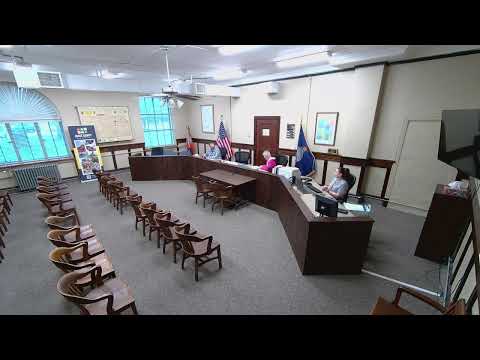
Officials from Flint Hills Technical College presented to the Osage County Commission on June 3, summarizing the college’s recent enrollment growth, program offerings and a regional economic-impact analysis.
College representatives reported enrollment increases (about 10% over the prior year) and a placement rate of roughly 98% for students completing programs cited in the packet. The presentation described new and expanding offerings including early childhood education, precision agriculture, automation and robotics, CDL short-term training and mobile simulation units for industry and employer-driven training. Staff said 93% of graduates remain employed in Kansas and about 87% are employed in the college’s seven-county service area as reported in the packet.
The college also described an economic-impact study estimating annual added income to the seven-county service area and described return-on-investment statistics for associate-degree graduates. Presenters discussed ongoing efforts to expand apprenticeship and short-term training options and to build stronger employer partnerships.
Why it matters: The college’s training programs and partnerships are a regional workforce development tool and could be a resource for Osage County economic development and employer needs.
Next steps: County and college staff discussed potential collaboration and outreach; commissioners invited the college to return as needed to coordinate training opportunities for county employers.