Get Full Government Meeting Transcripts, Videos, & Alerts Forever!
Get email alerts on the Fleet Management topic
No spam. Unsubscribe anytime.
City outlines steps to exit costly vehicle lease program and buy down fleet over time
Summary
Staff reported the enterprise lease program produced unexpectedly high recurring costs; the city plans to downsize or return some leased vehicles, shift to purchasing smaller vehicles the city would have bought and buy out depreciated leases over time to reduce annual expense.
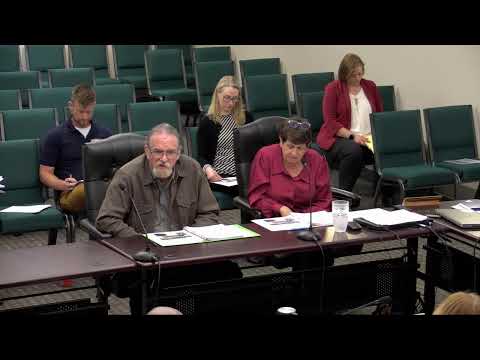
City fleet managers and finance staff told the commission they plan to scale back the enterprise vehicle lease program and transition to purchasing vehicles to reduce long-term cost and increase flexibility.
Roberta (Finance Director) and fleet staff said the enterprise leasing approach, sold to the city as short-term leases that would be flipped frequently, resulted in multi-year leases and higher-than-expected annual payments. Staff reported a near-term reduction in annual lease expense from about $750,000 (initial expectation) down to under $500,000 through returning seven vehicles and downsizing 13 vehicles. The plan is to order smaller replacement vehicles consistent with what the city would have purchased directly and then buy out vehicles as net book value declines, with an eventual goal of owning the fleet rather than relying on leases.
Public-works and fleet staff described a two-part approach: short-term adjustments to reduce monthly payments (returns and downsizing) and a long-term buyout where the city purchases vehicles as their depreciation lowers net book value. Staff said the current buyout pipeline shows roughly $2 million in outstanding net book value that would be repurchased over time as leases amortize. Commissioners and staff discussed maintenance costs, fuel, and in-house repairs; staff reviewed 10 years of maintenance and fuel costs and reported no material difference that would negate the plan to buy vehicles rather than lease.
Staff also noted specific vehicle items appearing in the CIP: the Convention & Visitors Bureau van (CVB minivan) will be purchased in 2025 with transient-guest-tax reserves rather than leased, and the police patrol fleet will shift back to a purchase model phased to avoid a sharp spike in replacements. The police chief warned that ordering purchased patrol cars takes lead time—cars ordered early 2026 would not be in service until late 2026—so staff will plan multi-year ordering to smooth budget impacts.
No commission action was taken; staff said the items will be included in upcoming budget discussions and individual purchase requests will return to the commission for approvals.