Get Full Government Meeting Transcripts, Videos, & Alerts Forever!
Get email alerts on the Animal Welfare topic
No spam. Unsubscribe anytime.
Residents press San Bernardino council over alleged shelter practices and spay/neuter program gaps
Summary
Multiple speakers told the council the city shelter is failing animals and urged changes including relief veterinarians, better tracking of rescue commitments and use of grant funds; speakers asked council and the shelter director for follow‑up.
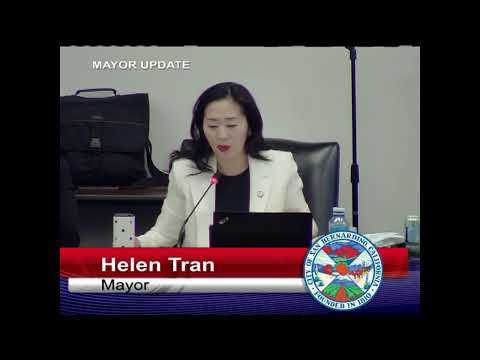
Several residents and volunteers used the Feb. 5 public‑comment period to press the San Bernardino Mayor and City Council on animal shelter operations, raising specific allegations about euthanasia procedures, recordkeeping, use of grant funds and the need for expanded spay/neuter capacity.
Speakers and claims
- Georgia (public commenter): "We don't want these animals killed anymore. Stop it." She told the council she has repeatedly raised concerns about animals being euthanized after what she described as a mistaken search for a rescue commitment and alleged lack of sedation prior to euthanasia. She said she considers some commissioners' relationships with shelter leadership to be problematic and asked for change.
- Lydia Savala (volunteer program/data analyst): Presented data she said were drawn from a 2023 analysis and a methodology called "noses in, noses out." She summarized findings to the council on shelter intakes and outcomes and said the model used by the shelter does not fully reflect the scale of animals on city streets. Lydia described numbers she compiled and said the existing model tells a partial story; she asked the council to consider additional metrics.
- Sharon Negrete (volunteer/advocate): Urged the council to use relief veterinarians — independent contractors who can provide surgical capacity without payroll burdens — and said a mobile spay/neuter vehicle funded by a restricted grant was underutilized. She told council that roughly $300,000 in restricted grant funds (she named a tribal grant) could have supported thousands of spay/neuter procedures and argued that refusal to use relief vets has impeded the city's ability to reduce intake.
- Emily Pinon (resident): Said animal control took a family dog, "Potato," following an alleged bite report and that the family believes the agency may have taken the wrong dog. She told the council the shelter placed the dog under a 10‑day quarantine and that staff were not providing clear information to the family. She asked for follow‑up and the council asked Director Watson to get contact information and report back.
Other public commenters (multiple speakers) emphasized the workload placed on local rescues and volunteers by the city’s intake policies and called for a balanced approach that combines TNVR (trap/neuter/vaccinate/return), intake capacity, low‑cost spay/neuter services and stronger rescue partnerships.
Council response and staff direction
Council members and staff did not make policy decisions during the public‑comment segment, but Councilmember Ortiz asked Director Watson to collect contact information from the speakers and return the findings to council. Another councilmember reminded the meeting that directors are to be advised through the city manager and asked that collected information be routed so all councilmembers receive the follow‑up.
What residents want
Speakers asked the council for the following: improved recordkeeping for rescue commitments, use of relief veterinarians to expand surgical capacity, clarity about grant‑funded programs and mobile units, transparent incident reporting when a bite allegation leads to seizure, and an overall strategy that avoids shifting the full burden to already stretched rescue groups.
Ending
Council members acknowledged the concerns and asked staff to follow up. No ordinance changes, budget reallocations or formal directives were adopted at the meeting; the matter remains a public concern that council asked staff to investigate and report back on.