Get Full Government Meeting Transcripts, Videos, & Alerts Forever!
Get email alerts on the District Finance Audit topic
No spam. Unsubscribe anytime.
Auditor: District holds strong reserves but carries $57 million in long-term obligations
Summary
An external auditor reviewed the Wisconsin Rapids School District's 2023–24 financial statements and told the board the district has nearly 24% in fund-balance reserves, roughly $200 million in fixed assets and about $57 million in combined long-term debt, while progress continues on OPEB and pension funding.
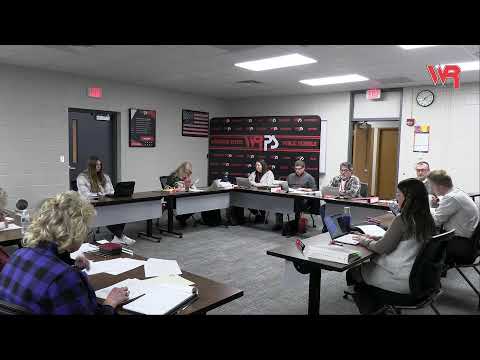
Chuck, the auditor, presented the district's 2023–24 financial statements to the Wisconsin Rapids School District Board of Education, saying the district has near-term liquidity and significant long-term obligations.
The auditor said the district had about $27 million in cash and receivables at year-end, a fund-balance reserve of roughly 23.9 percent of annual spending and nearly $200 million in fixed assets. ‘‘That's a big number,’’ Chuck said of the fixed-asset total.
The presentation noted roughly $28 million in general obligation bonds remaining and about $29 million in other long-term obligations—items the auditor said likely reflect retirement and postemployment benefit liabilities. The audit showed the district had about $5.4 million set aside for postemployment benefits (OPEB) and that the district’s portion of the Wisconsin Retirement System net pension liability decreased from about $10.8 million to $2.9 million, based on the system’s actuarial reporting.
Why it matters: the auditor said these figures affect capital planning, debt-service strategy and operating flexibility. The district’s nearly 24 percent reserve compares with a statewide range the auditor has observed of roughly 10 to 40 percent; he described the district’s reserve level as “a pretty good number.” He also pointed to annual depreciation expense (about $4.5 million) and the recurring need to plan for equipment replacement and ongoing facilities maintenance.
Board members asked whether the district has staff capable of preparing the full financial statements in-house. A board member noted past comments about not having a CPA on staff. Chuck said segregation of duties in the business office appeared adequate and that it is common for districts to hire outside auditors to prepare or review full financial statements; he added the district has steadily reduced short-term borrowing in prior years.
The auditor offered to field follow-up questions through Aaron in the business office. No formal action was required during the presentation; the audit information was received by the board.
Ending
Board members praised the business office staff for the financial work that supports the district’s position; the board did not take formal votes tied directly to the audit presentation at the meeting.