Get Full Government Meeting Transcripts, Videos, & Alerts Forever!
Get email alerts on the Land Bank topic
No spam. Unsubscribe anytime.
Andover adopts land bank ordinance to manage city‑owned parcels
Summary
The Andover City Council voted 6-0 to create a land bank to manage property acquired for road projects and to provide a mechanism to clear certain past‑due tax obligations. City staff said the tool will help prepare parcels for redevelopment without making the city a developer.
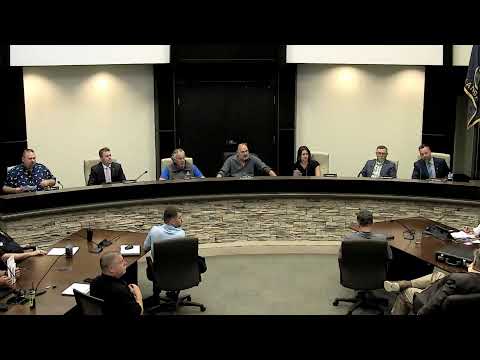
The Andover City Council on June 24 adopted an ordinance creating a city land bank, a tool city officials said will help the city manage parcels acquired for public projects and prepare them for return to productive private use. The ordinance (Chapter 21, Article 1, Sections 21‑101 through 21‑106) passed by a 6‑0 vote.
City Administrator Jennifer McCausland told the council the land bank is intended to manage property Andover already acquired while building or extending public roads, including parcels tied to Founders Parkway and the Yorktown extension. She said trustees of the land bank will be the governing body, which will decide pricing and disposition of land the bank holds and that the city does not intend to become a developer.
McCausland said the land bank can also be used in situations where owners inherit property with past‑due taxes and do not want the land; by statute the land bank can take ownership and clear those back taxes to remove the debt burden on the family. She told the council the city plans to transfer $15,000 from the administration budget in 2026 to cover basic land bank costs such as insurance. The parcels planned for the land bank are properties the city already owns from prior acquisitions, she said.
Council members asked clarifying legal and liability questions. The city attorney explained that the statutory power for a land bank to "sue or be sued" is broad but does not typically create lasting individual liability for trustees; lawsuits naming officials can often be summarily dismissed. A council member who had opposed the idea at an earlier presentation said he now supports it.
Councilmember Homer moved to adopt the ordinance; the motion was seconded and carried 6‑0.
The ordinance creates a formal mechanism for local officials to consolidate and manage city‑owned parcels and to remove certain tax encumbrances where allowed by state law. The council did not discuss specific parcels to be transferred beyond noting that the initial properties are those the city already acquired for road projects and related grants.