Get Full Government Meeting Transcripts, Videos, & Alerts Forever!
Get email alerts on the Remote Meetings topic
No spam. Unsubscribe anytime.
DeKalb commissioners push for standby dial‑in option; county attorney says state law limits remote attendance
Summary
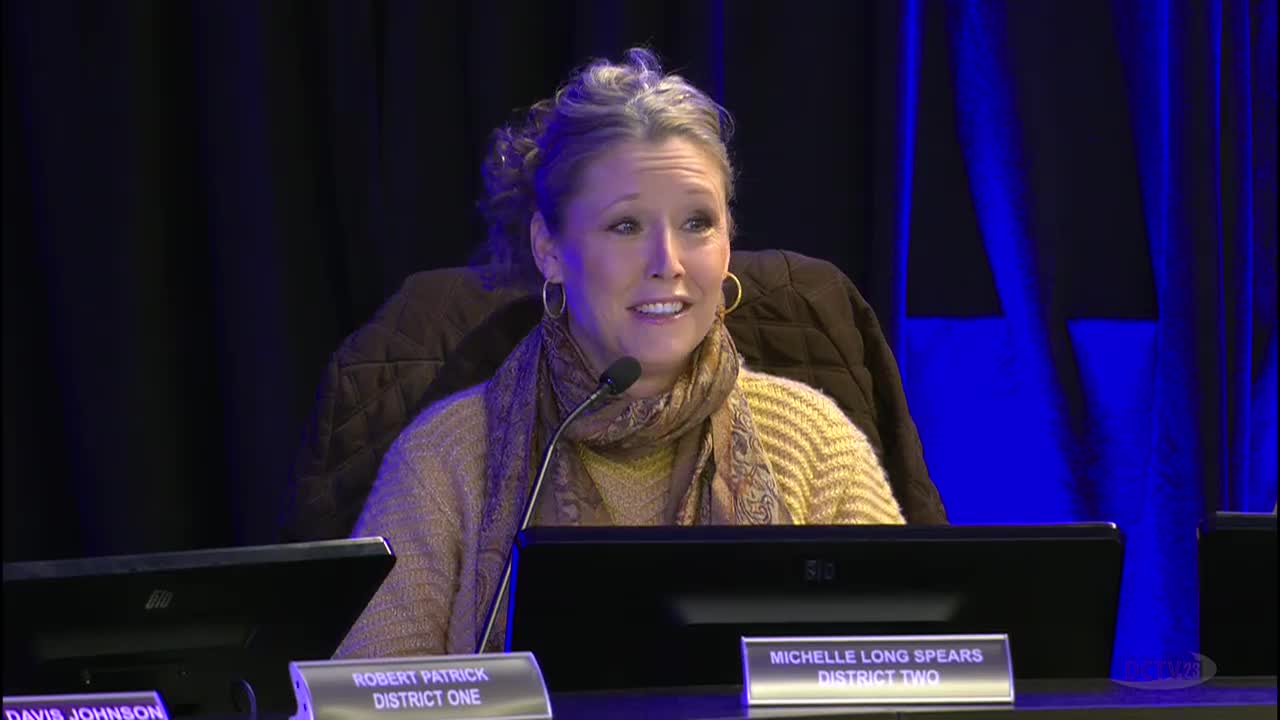
Presiding officer Michelle Long Spears told the Committee of the Whole on Feb. 25, 2025, that repeated email outages, slow dais computers and a recent Zoom‑bomb had disrupted county business and prompted a request that a telephone “bridge” line be kept on standby for all public meetings so an absent commissioner could dial in when needed.
Presiding officer Michelle Long Spears told the Committee of the Whole on Feb. 25, 2025, that repeated email outages, slow dais computers and a recent Zoom‑bomb had disrupted county business and prompted a request that a telephone “bridge” line be kept on standby for all public meetings so an absent commissioner could dial in when needed.
The board’s county attorney, Vivian, told commissioners that remote participation outside of specific exceptions is governed by state law and by the end of the pandemic the governor’s emergency executive order that had allowed remote meetings expired. “What we’re dealing with is an operation of state law,” she said, noting that the COVID‑era executive order issued by Governor Kemp had temporarily changed the rules for remote meetings.
Why it matters: Commissioners said a standby bridge would reduce last‑minute disruptions caused by illness, weather or family emergencies and make it easier to maintain quorum and continuity. The county attorney warned that simply establishing a bridge for every meeting could run afoul of the state’s in‑person requirements and the statutory limits on when an individual may claim an out‑of‑jurisdiction or medical excuse.
Discussion and requests
• Michelle Long Spears, the presiding officer and District 2 commissioner, described repeated technical problems since an e‑mail/calendar migration began in October, as well as a brief Zoom‑bomb at an earlier virtual meeting. She said she had twice been refused a bridge line when a commissioner needed to participate remotely and asked for an explanation from law.
• County Attorney Vivian summarized the legal framework: during the pandemic the governor’s executive order permitted remote meetings; after that order ended the law requires in‑person attendance except in specified circumstances such as a documented medical excuse or being out of jurisdiction. She said a remote bridge can be provided when the legal criteria are met, and emphasized that the individual who receives the bridge must request it; a third party cannot request it on another commissioner’s behalf.
• Commissioners Robert Patrick, Marita Davis Johnson and others urged a legislative fix to allow limited remote participation (for example, for evening zoning meetings or emergencies). Patrick said he has asked the county’s legislative delegation for authority to meet remotely in limited circumstances.
Board direction
The board requested that the county attorney prepare a written legal memo as soon as possible explaining (1) the state law constraints and the legal basis cited for denying bridge lines in prior instances, (2) whether a chief of staff or other designee may request a bridge line on behalf of an elected official under current rules, and (3) the legal pathway (if any) for establishing an ongoing standby bridge line for public meetings.
Next steps
The county attorney agreed to produce the requested memo and to work with the chief operating officer and IT to identify options that comply with state law. Commissioners said they will also contact state lawmakers to seek any needed legislative change if the memo confirms legal limits.