Get Full Government Meeting Transcripts, Videos, & Alerts Forever!
Finance committee weighs reassigning legacy fire pension levy, reallocating impact fees and pursuing EMS "soft billing" to close capital shortfall
Summary
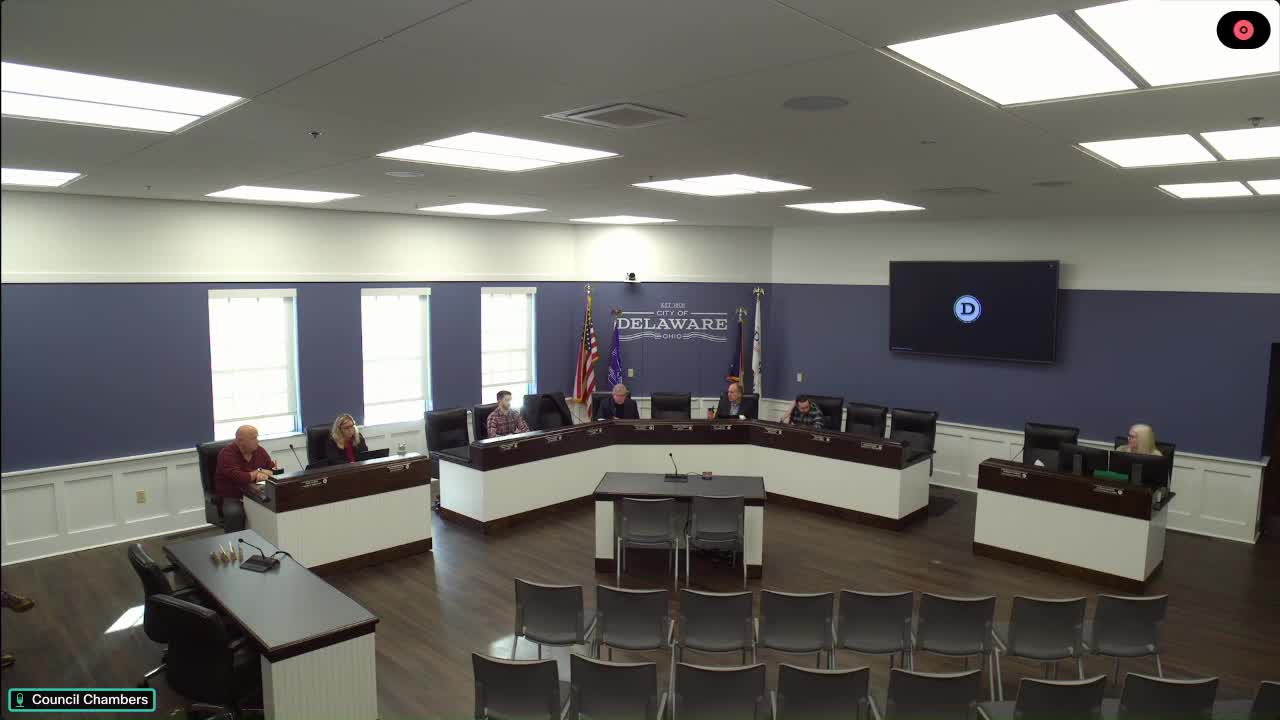
Delaware City’s Finance Committee on Jan. 21, 2025 discussed several revenue options to reduce a growing capital and road-maintenance shortfall, including an ordinance to reallocate a legacy property tax levy that previously funded historic police and fire pensions; possible redistribution of fire impact fees to other capital impact funds; and pursuing EMS “soft billing” to insurance companies rather than balance-billing patients.
Delaware City’s Finance Committee on Jan. 21, 2025 discussed several revenue options to reduce a growing capital and road-maintenance shortfall, including an ordinance to reallocate a legacy property tax levy that previously funded historic police and fire pensions; possible redistribution of fire impact fees to other capital impact funds; and pursuing EMS “soft billing” to insurance companies rather than balance-billing patients.
The committee’s review focused on how each option would affect capital budgets, the fire fund and ongoing operations, and how quickly any change could be implemented. No binding policy change was adopted at the meeting; staff were asked to return with more precise financial estimates and implementation details for council consideration.
Rob (staff member) summarized the first option: redirecting the portion of a longstanding property tax levy that originally paid police and fire pensions into the city’s general fund now that the pension liabilities have been paid off. “About half a $1,000,000,” Rob said when asked how much that reallocation would generate annually; staff described the expected benefit as roughly $400,000–$500,000 per year beginning in tax collections for 2025 (available to spend in 2026). The item will be introduced to full council as an ordinance on the Jan. 27 agenda, staff said, and…
Already have an account? Log in
Subscribe to keep reading
Unlock the rest of this article — and every article on Citizen Portal.
- Unlimited articles
- AI-powered breakdowns of topics, speakers, decisions, and budgets
- Instant alerts when your location has a new meeting
- Follow topics and more locations
- 1,000 AI Insights / month, plus AI Chat