Get Full Government Meeting Transcripts, Videos, & Alerts Forever!
Get email alerts on the Consent Decree Legal Implications topic
No spam. Unsubscribe anytime.
City attorneys brief board on Supreme Court Chevron ruling and implications for Fort Smith consent decree
Summary
City legal staff told the Fort Smith Board of Directors on Jan. 14 that a recent Supreme Court decision limiting Chevron deference changes how courts review federal agency interpretations but does not immediately alter the city's existing consent decree with the DOJ and EPA.
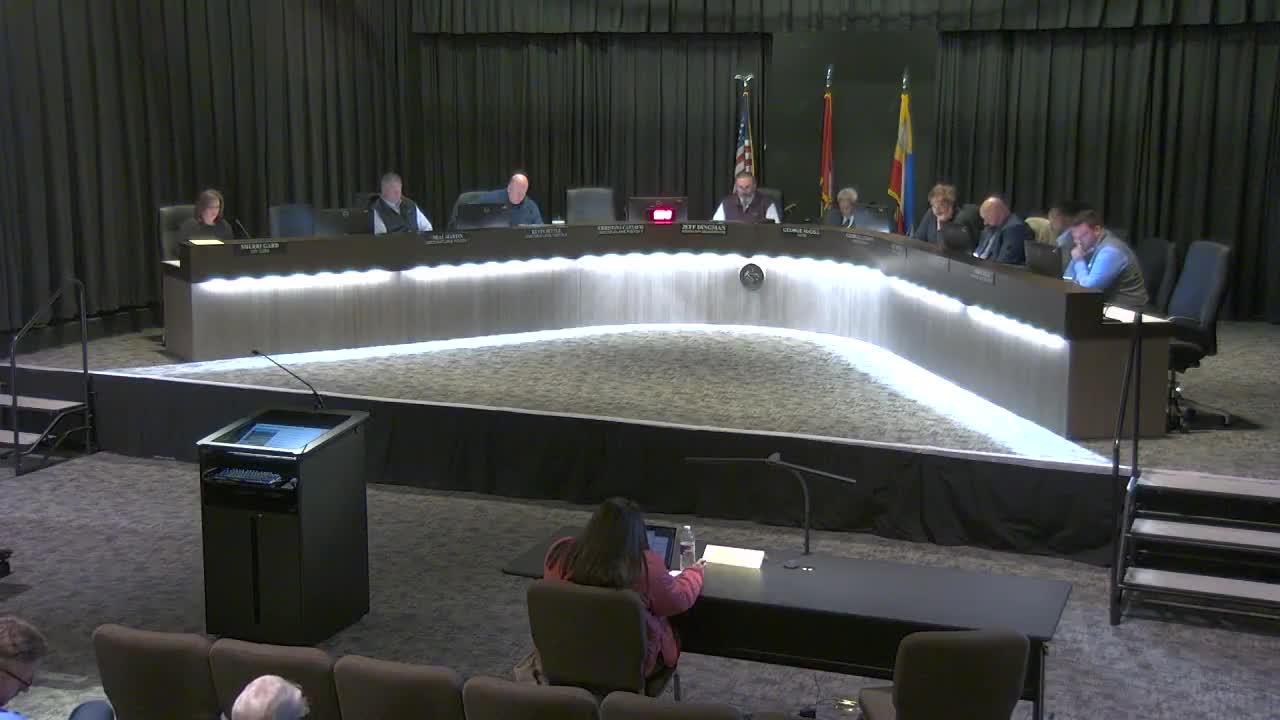
City legal staff briefed the Fort Smith Board of Directors on Jan. 14 about the U.S. Supreme Court’s recent decision limiting Chevron deference to agency interpretations and explained how that ruling affects ongoing negotiations under the city’s consent decree with the Justice Department and EPA.
The city attorney explained the difference between statutory ambiguities and contract interpretation and said the core obligations under the Clean Water Act and the city’s NPDES permits are not, in themselves, ambiguous: “The city's basic position was we understand our problems; we understand them better than you understand them,” the city attorney said, describing the long negotiations that preceded the consent decree approval. He cautioned that the Supreme Court decision affects how courts will treat agency interpretations going forward but does not automatically negate or void existing consent decrees entered by courts.
Counsel and administration emphasized the consent decree’s practical terms are rooted in the negotiated agreement and prior litigation over items such as private service-line responsibilities and how to prioritize repairs. Those disputes, counsel said, were decided in courts under contract interpretation rather than Chevron deference to agency rulemaking.
Board members asked whether the ruling changes the enforceability or terms of Fort Smith’s consent decree; city counsel said it does not immediately alter the city’s obligations. Counsel also said ongoing negotiations with DOJ have, in recent months, advanced toward a proposal that could extend the city’s implementation schedule (staff described a possible 10‑year implementation window subject to board commitments and financing). Counsel said DOJ has been focused on assurances that funding mechanisms will enable earlier construction rather than pushing most work to the end of the compliance period.
Directors asked legal staff about possible strategies, including seeking penalty relief or re‑negotiating timing tied to demonstrated progress. Counsel said those are negotiation points; the board can choose litigation or further negotiations and could seek different legal representation if it wishes. Counsel named outside counsel who had reviewed the city memo and said that attorney had been consulted prior to distributing the opinion to the board.
Several directors raised broader policy questions after the briefing. Some urged continuing negotiations to gain time and clearer funding commitments; others noted the underlying public‑health and flood problems remain priorities for sequencing and financing. No formal change to the consent decree was proposed or adopted at the study session; counsel and administration said they would continue negotiations with DOJ and EPA and return with options and potential agreements for board consideration.