Get Full Government Meeting Transcripts, Videos, & Alerts Forever!
Get email alerts on the Governance Utilities Committee topic
No spam. Unsubscribe anytime.
Board debates charter and oversight for new Utilities Advisory Committee
Summary
Directors and staff discussed amendments to the proposed Utilities Advisory Committee charter, with questions about appointment procedures, board oversight, potential duplication of staff work, and whether the board should instead schedule recurring study sessions on water and sewer issues.
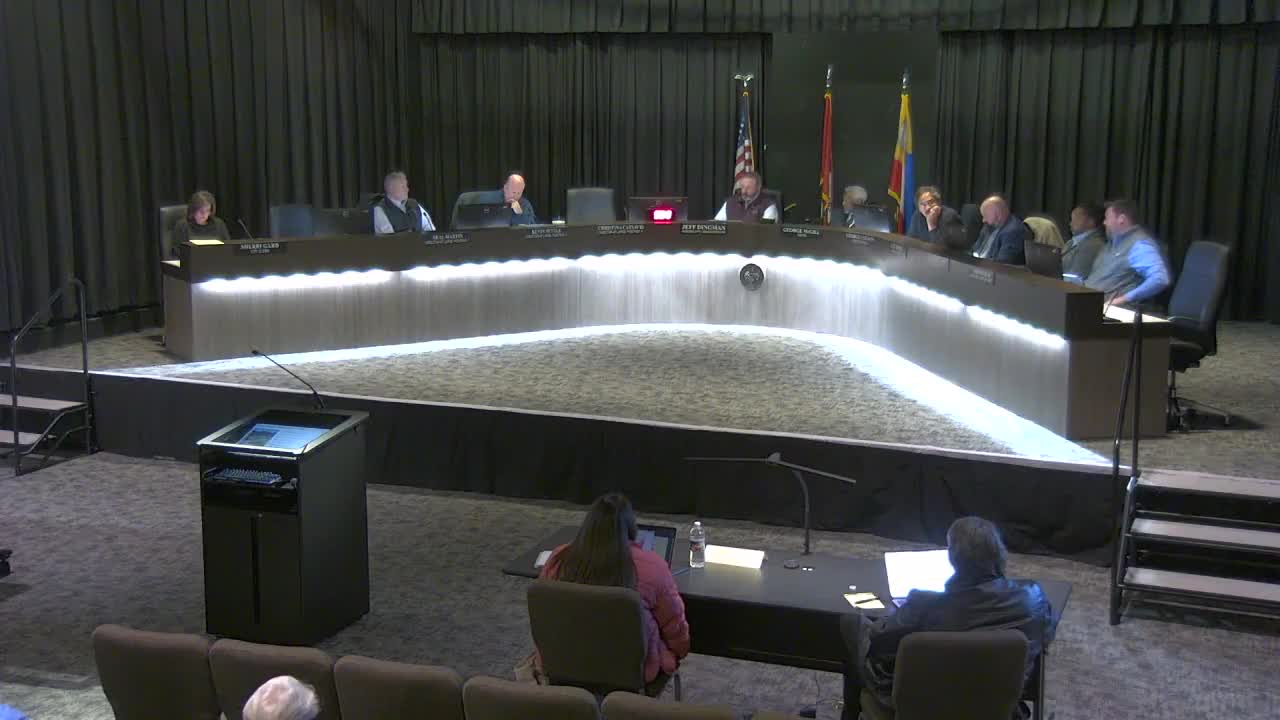
Fort Smith directors spent considerable time Jan. 14 reviewing proposed amendments to the Utilities Advisory Committee charter and aired concerns about member selection, the committee’s scope and whether it duplicates staff responsibilities.
Administration presented a revised charter that includes a provision to reference directions from the board of directors and to use the municipal code’s standard application and appointment process rather than designating the city administrator as the appointing official. “Those are the two changes that administration will make to the one that gets brought back before you for consideration,” an administrator said.
Directors asked for clearer board oversight and written deliverables from the committee. Director Neil Martin said he wants the board to provide direction and the committee to be tasked with producing recognizable outputs: “When the board gives the committee a task or an objective, then they can also define what the deliverable or the response should be.”
Several directors, including Kevin Kemp and LaVaughn Settle, said they fear the committee could duplicate work performed by Utilities Department staff and impose additional burdens on employees. Kemp asked for specifics on what gaps the committee would address, estimated staff workload and any projected costs for supporting the committee. “If this doesn't have director oversight but director involvement, then it's not going to accomplish the purpose,” Kemp said, asking whether the audit commission could handle some work instead.
Supporters of the committee, including Director Greg Rego, said it could give a focused forum for citizens and industry experts to review utility issues and recommend priorities; Rego said the board could appoint members, let the committee identify priority topics at its first meeting, and then add board guidance. Others recommended an alternative: schedule regular board study sessions dedicated to water and sewer matters so the board can exercise direct oversight and require actionable outcomes.
Administrators and counsel noted a procedural point: the ordinance creating the committee had been tabled to the Feb. 4 meeting and a separate vote would be needed to disband a committee already created. Multiple directors said they wanted the committee to be re‑chartered using the standard application and appointment rules and to return with clearer language about deliverables, oversight and staff support.
No final action was taken at the study session; staff said the charter would be revised to reflect the board’s input and placed on Feb. 4 agenda.