Get Full Government Meeting Transcripts, Videos, & Alerts Forever!
Get email alerts on the Land Use Off Grid topic
No spam. Unsubscribe anytime.
Citizen‑drafted off‑grid overlay sparks preliminary Planning Commission discussion
Summary
A resident proposed an amendment to the county land‑use code to permit expanded off‑grid living and small‑lot subdivisions; commissioners treated the draft as preliminary, advised the author to consult staff and legal, and asked planning staff to consider the concept as part of the forthcoming land‑use code rewrite
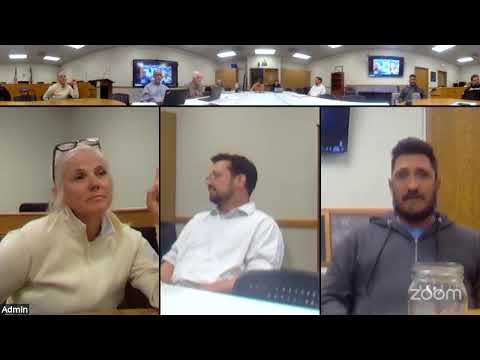
A citizen‑drafted proposal to add an expanded off‑grid overlay to the Grand County Land Use Code was discussed Oct. 13 as a preliminary, informational item.
The proposal, introduced in August by Jason Spurgeon (address listed in the application), borrows language that the presenter and others said came from Colorado counties and is intended to permit off‑grid residential arrangements and small‑lot, low‑infrastructure subdivisions in parts of the county. Spurgeon was not at the Oct. 13 meeting; staff explained the draft was inspired by permissive provisions used in some Colorado mountain counties to allow alternative water/septic and off‑grid approaches for seasonal or permanent residents.
Commissioners and staff cautioned that the proposal is early stage and that drafting an ordinance requires legal drafting and review. Planning staff advised the proponent to work with a land‑use‑experienced drafter or to bring the idea to an elected official for sponsorship; several commissioners said the item could be evaluated more fully once the county’s new planning and zoning administrator and consultant for the land‑use code update are in place.
Commissioners discussed several practical constraints. Water supply, wastewater (septic) feasibility and emergency services were raised repeatedly. Commissioners noted that some Grand County locations already use septic and hauled water (for example remote campgrounds), and that off‑grid proposals will be shaped by state environmental standards and local ERU (equivalent residential unit) availability. Several commissioners suggested the concept might be better handled within the broader land‑use code rewrite rather than as an immediate stand‑alone ordinance; others said the county is large and that carefully defined off‑grid allowances in selected corridors could be appropriate.
The body did not take formal action. Commissioners asked staff to treat the proposal as preliminary and suggested the proponent consider professional drafting assistance or an elected sponsor and to reconvene once staff and legal have reviewed how the concept interacts with state environmental, septic and water rules and with the county’s future land‑use plan.
The Planning Commission will consider whether to include off‑grid overlay language in the comprehensive code update and suggested scheduling stakeholder discussions (water district, sanitation, emergency services) if the concept advances.