Get Full Government Meeting Transcripts, Videos, & Alerts Forever!
Get email alerts on the Land Use topic
No spam. Unsubscribe anytime.
Planning commission approves Glen Lakes Commons Phase 2 conditional plat after neighbor raises setback concerns
Summary
Hernando County Planning & Zoning Commission approved the conditional plat for Glen Lakes Commons Phase 2, a four-parcel commercial subdivision, after staff and the applicant said the proposal conforms to existing zoning. A nearby property owner objected to proposed building heights and setbacks.
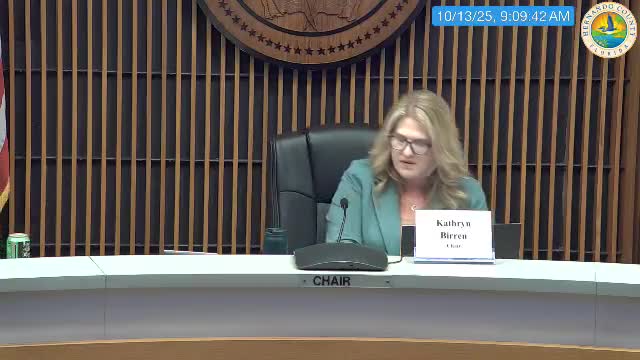
The Hernando County Planning and Zoning Commission unanimously approved the conditional plat for Glen Lakes Commons Phase 2, a four-parcel commercial subdivision on about 6.9 acres west of Commercial Way and south of Glen Lakes Boulevard, after staff said the plat is consistent with the property's current zoning. The commission voted 5-0 to adopt the packet into the record and to approve the item after hearing from the applicant and one member of the public.
The commission's lead planner, Michelle Miller, told commissioners the file showed the conditional plat is not a public hearing item and that reviewing departments had found the proposal consistent with zoning. Don Lacey of Coastal Engineering, representing the applicant, explained the plat reflects the way the property was rezoned and described existing access constraints caused by a privately owned parcel between portions of the site. Lacey said the central gray parcel seen on the plat is not owned by the applicant and is not part of the proposed development plan; only if that parcel is later acquired would additional access connections be possible.
During public comment, David Moore — who identified himself as the owner of property immediately west of the site — said he had provided commissioners a copy of the "Residential Protection Act" and argued the current proposal showed buildings and setbacks inconsistent with Florida standards and with what he said was shown at prior proceedings. Moore said at one point the project presented buildings up to 45 feet tall and setbacks too close to his property.
Lacey and staff responded that the plat had been reviewed by county departments and found consistent with the zoning approved previously. Miller clarified that the ordinance material Moore handed out referred to a prior ordinance amending appendix A of Hernando County's Land Development Regulations, but that the governing development standards for setbacks and height in this case were established by ordinance H-23-19 and included in the meeting packet (staff pointed to the ordinance beginning on the packet page identified during the hearing). Lacey also told the commission the plat includes a 100-foot elevation-control area at the northwestern corner and that elevation controls within the 100-foot area, not Moore's property, would determine building location constraints.
Commissioners discussed repeated requests for setback deviations countywide and noted broader policy questions about whether county standards should be updated. Commissioner Jonathan McDonald commented on the pattern of reductions, saying, "I don't know why we're always cutting them in half," and urged more careful weighing of deviations when they are requested.
After deliberation the commission moved to approve the conditional plat. The motion was made and seconded on the record and the commission passed the item by a recorded vote of 5-0. The developer may proceed with final engineering and permitting consistent with the approved conditional plat and the county's Land Development Regulations.
The commission record includes the applicant's presentation, staff report, and Moore's public-comment materials; commissioners asked staff to note Moore's comments in the record though staff and the applicant maintained the plat conforms to the governing zoning and ordinances.