Get Full Government Meeting Transcripts, Videos, & Alerts Forever!
Get email alerts on the Title I Allocation topic
No spam. Unsubscribe anytime.
Board debates Title I allocation choices after district did not use 1.6 multiplier; staff asked for documentation
Summary
Board members pressed district staff about a fiscal-year decision not to use the direct-certification 1.6 multiplier in the FY25 consolidated funding application; staff said that decision left about $571,000 from being spiraled to schools and that parts were used for set‑asides and positions funded by federal programs.
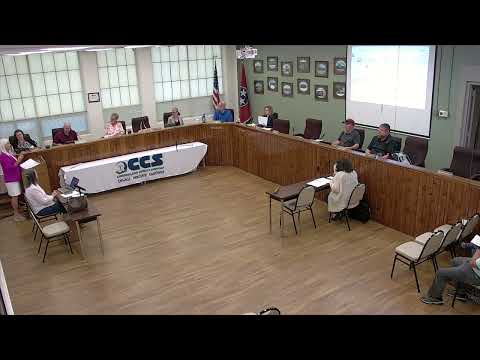
Board members at a Cumberland County Schools work session pressed staff on how the district allocated federal Title I funds after staff reported the district did not apply the direct‑certification 1.6 multiplier in the consolidated funding application for FY25.
District staff explained how Title I allocations are calculated and which local data sources the district may use. A staff presenter said the district’s Title I allocation “comes to us based on data that's provided each year from the US Department of Ed,” and that local choices affect how money is distributed to schools even when total allocation is federal. The presenter noted that because some schools in the district participate in the Community Eligibility Provision (CEP), the district cannot use free and reduced‑price lunch counts for school allocations and instead may rely on direct certification, Medicaid, household surveys and other permitted methods.
Board member Charles Van Winkle asked why the district chose not to use the 1.6 multiplier this year; a staff presenter responded that she was not part of the earlier decision and could not explain who made it. Another staff speaker, identified in the meeting as the federal programs director, said district leaders asked federal programs to fund two positions and that those positions were allowed by TDOE and were paid from federal funds. He said the $571,000 figure cited by a board member represented funds that were not spiraled to schools when the multiplier was not used: “We went from spiraling we did spiral down 571,000 to the schools directly supporting children,” the board member said, and district staff explained some of those funds were set aside for required set‑asides and some were used for personnel and professional development set‑asides.
Why it matters: board members said they need documentation showing how Title I decisions were made and what student‑level data supported the district’s allocation and use of funds. One board member asked whether data had been analyzed to determine the effect of using federal money for district positions; staff said some school‑level data had been tracked but that the data had not been provided to the board in the packet.
Follow-up and requested evidence: board members asked staff to provide the federal guidance document cited in the presentation (identified in the meeting as guidance tied to the Education Act of 1965 and to TDOE guidance) and the data that justify prior allocation decisions. Staff said the consolidated funding application was submitted to meet the state deadline and that the district would attempt to provide the requested documentation to the board.
Ending: No formal board action was taken at the work session. Board members requested that staff provide the consolidated funding application materials, the TDOE guidance cited during the presentation, and the student‑level or program data used to justify spending and set‑aside decisions for the Title I allocation.