Get Full Government Meeting Transcripts, Videos, & Alerts Forever!
Get email alerts on the Election Judges topic
No spam. Unsubscribe anytime.
State rule narrows who qualifies for prior‑service election judge bonus; Allegany County to use unified application
Summary
County election officials summarized forthcoming COMAR guidance that narrows the definition of 'previously served' for the $100 election‑judge bonus and explained a new unified election judge application and required forms.
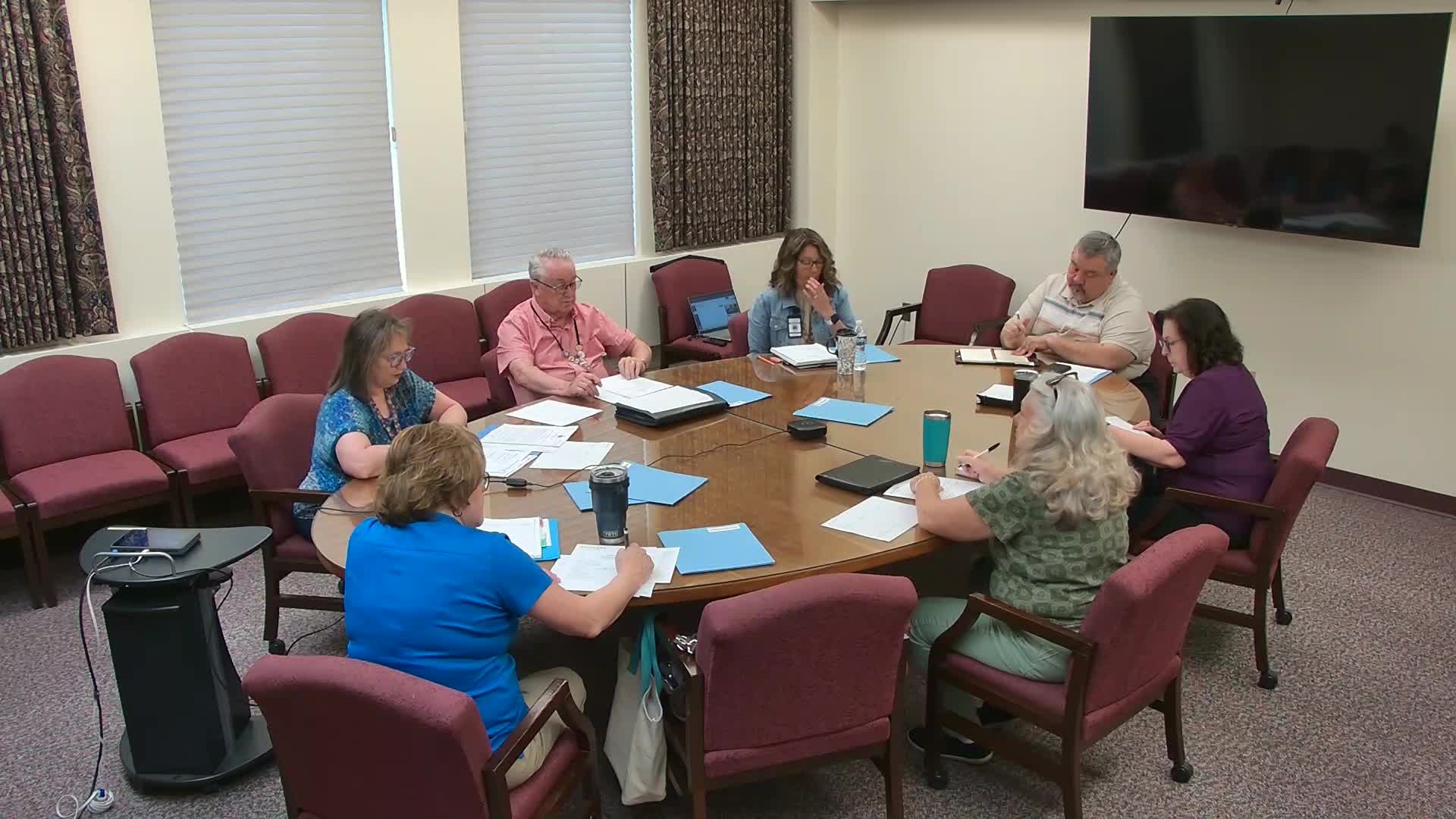
At the July 1 meeting, the director briefed the Allegany County Board of Elections on new state guidance that changes which election judges qualify for a previously‑served bonus and on a new statewide election judge application.
Diane said the state regulation in COMAR defines “previously served” as an election judge who “was previously appointed in accordance with the election law article 10‑203, completed a term of office and served in the capacity of an election judge during the term of office in the immediately preceding statewide primary, general, or special election.” She said the regulation has been approved by the State Board of Elections and is in the public‑comment phase.
Diane explained the change narrows eligibility compared with the earlier practice that paid the $100 bonus to anyone who had served at any time. Under the new definition, the bonus is limited to judges who worked the immediately preceding statewide election (primary, general, or special). She confirmed to the board that the $100 payments apply per day worked (for example, pay can be per day of early voting and per election day as specified by statute and state guidance).
The director said the state is rolling out a unified election judge application; local boards will require only a small set of forms for an individual to serve and be compensated: either IRS Form W‑4 or W‑9, the oath of office (election judge oath), the rules and security behavior form, and the Maryland MW‑507 form. Diane said local offices will no longer need to collect driver’s licenses or I‑9 forms for payroll purposes under the new process.
Staff told the board the county will continue to pay election judges from county funds but must accept only the standardized documents required by the state when compensating judges.