Get Full Government Meeting Transcripts, Videos, & Alerts Forever!
Get email alerts on the Open Meetings Complaint topic
No spam. Unsubscribe anytime.
Open Meetings compliance board: canvass minutes not subject to posting requirement, Allegany County told
Summary
An Open Meetings Compliance Board opinion found canvass proceedings generally fall outside the Open Meetings Act requirement to prepare and post minutes; Allegany County Board of Elections members were asked to sign the official opinion at the July 1 meeting.
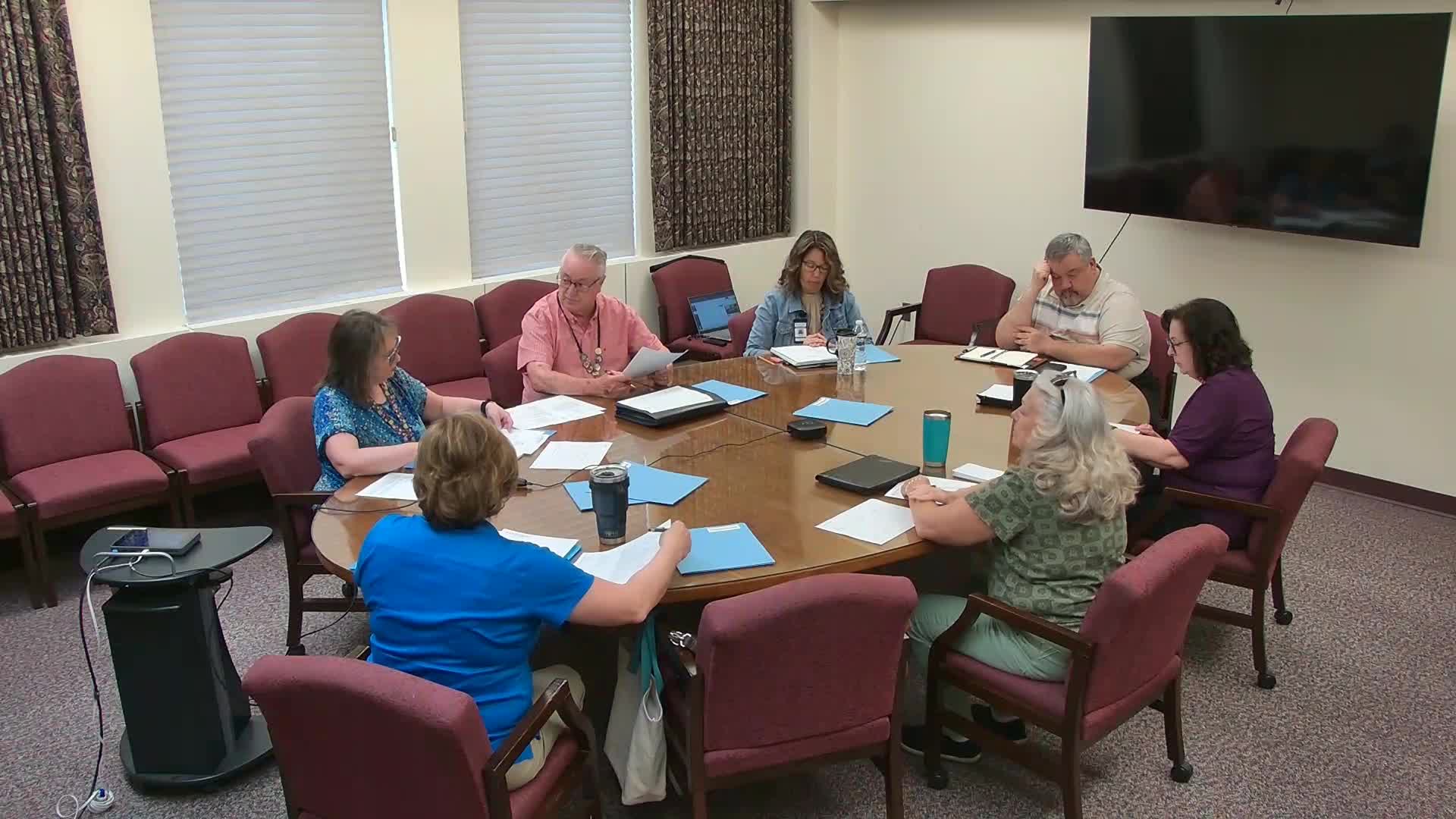
At its July 1 meeting, the Allegany County Board of Elections was briefed on an opinion from the Maryland Open Meetings Compliance Board finding that canvass proceedings are generally not subject to the Open Meetings Act requirement that minutes be prepared and, to the extent practicable, posted online.
Director Diane (Director, Allegany County Board of Elections) told the board she had asked the board’s attorney to brief members after receiving a complaint that canvass minutes had not been posted. Diane said the opinion found the county, “along with 17 other jurisdictions in Maryland, that we are not in violation of the Open Meetings Act,” and that canvasses “involve the performance of administrative and or quasi judicial functions, and thus are generally not subject to the act’s requirements, including the requirements that minutes be prepared, and to the extent practicable posted online.”
The director provided the official opinion to board members and asked them to sign the bottom of the opinion for the board’s records. Board members raised a clarification about whether the other jurisdictions named in the opinion had actually posted canvass minutes online; Diane answered that some had.
The board did not take any formal action at the July 1 meeting beyond acknowledging the opinion and signing the provided copy. The opinion and the board’s signatures were presented as the department’s record of receiving and noting the compliance board’s determination.
Board members were not asked to change any posting processes at the meeting; Diane’s briefing and the compliance-board opinion were described as the basis for the office’s understanding of current obligations under state guidance.