Get Full Government Meeting Transcripts, Videos, & Alerts Forever!
Get email alerts on the Elections Administration topic
No spam. Unsubscribe anytime.
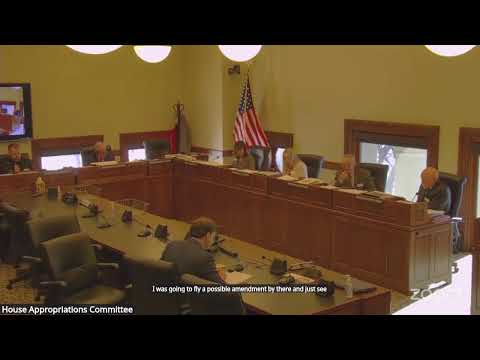
Committee debates converting most county elected offices to nonpartisan ballots; amendment restores vacancy language, measure fails
Summary
House Bill 236, which would make most county ‘‘row’’ offices nonpartisan (excluding county commissioners), drew lengthy debate on transparency, voter access and the role of party affiliation. The committee adopted technical amendments but ultimately recorded a 6–1 vote against reporting the bill out of committee.
Representative Chastiak introduced House Bill 236 to reclassify most county elected offices (county clerk, treasurer, assessor, coroner, sheriff, district attorney, and others) as nonpartisan, while leaving county commissioner races partisan. The sponsor said the aim is to let all registered voters — including unaffiliated and minor‑party voters — participate fully in nominating and electing these technical, administrative offices and to encourage voters to focus on qualifications rather than party labels.
The bill as drafted made conforming changes across multiple statutory titles and included procedures for nonpartisan primary nominations (top-two advancement when multiple candidates exist) and replacement procedures for vacancies in nonpartisan offices. During debate, members questioned whether worldview or party affiliation influences administration of duties, including budgeting and law enforcement priorities. Several representatives said party labels can provide voters useful heuristics while others and several public commenters argued nonpartisan ballots would encourage candidate‑focused campaigns and increase participation by unaffiliated voters.
The Secretary of State testified against the bill, saying the partisan primary is a longstanding transparency mechanism and warning that removing party labels could increase the role of money and name recognition. The sponsor and backers (including the League of Women Voters, Equality State Policy Center, local residents and others) argued nonpartisan elections would reduce partisan rancor at the local level and improve recruitment of candidates — particularly in small counties where candidates are reluctant to take partisan labels.
Committee action: Members moved and adopted an amendment to restore language (romanette 2) that had been struck in the draft and to reinsert other statutory text on pages cited; the sponsor agreed to preserve the vacancy‑replacement process for county commissioners so that partisan central‑committee nominations for commissioner vacancies would remain. After amendment votes, the committee took a roll call on whether the bill should pass with amendments; the clerk recorded six no votes and one aye, and the committee did not report the bill out favorably.
Votes at a glance: House Bill 236 — final committee count reported as 6 no, 1 aye (motion failed in committee).
Public comment: The committee heard supportive testimony from voters and organizations including the League of Women Voters, the Equality State Policy Center, and individual local officeholders and residents who said administrative county offices are nonpolitical in function and that nonpartisan elections would improve candidate quality and voter participation.
Next steps: Because the committee rejected the final motion to report the bill favorably, HB236 will not move forward from this committee in its present form unless the sponsor reintroduces it or petitions to reconsider.