Get Full Government Meeting Transcripts, Videos, & Alerts Forever!
Get email alerts on the Sudan Famine topic
No spam. Unsubscribe anytime.
FAO tells U.N. Security Council famine has expanded in Sudan; nearly 25 million facing acute food insecurity
Summary
A Food and Agriculture Organization representative told the U.N. Security Council that famine has expanded in Sudan, with nearly 25 million people facing acute food insecurity and more areas projected to reach famine conditions without urgent action, including improved humanitarian access and emergency agricultural support.
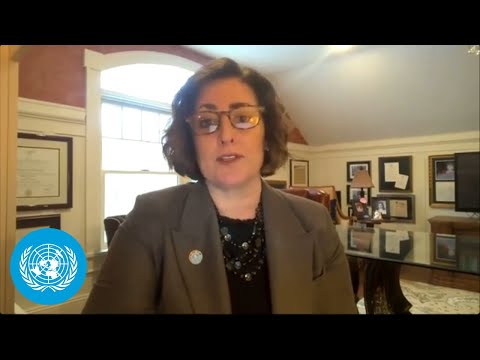
At a virtual briefing to the United Nations Security Council, a representative of the Food and Agriculture Organization said famine conditions in Sudan have expanded and that nearly 25,000,000 people are facing acute food insecurity.
The FAO speaker, identified in the meeting transcript as Missus Bettsdoll, told council members the latest IPC (Integrated Food Security Phase Classification) analysis shows that roughly half of Sudan’s population is facing acute food insecurity — 15,900,000 people in IPC 3 (crisis), 8,100,000 in IPC 4 (emergency), and just over 637,000 in IPC 5 (catastrophe). She said conflict and forced displacement remain the primary drivers and that restricted humanitarian access is exacerbating the crisis.
The FAO briefing said famine was first classified in August in Zamzam camp in North Darfur and that famine conditions persisted and expanded through late 2024 to other sites in North Darfur and into the western Nuba Mountains in South Kordofan. The speaker said five additional areas were projected to face famine conditions from last month through May 2025 and a further 17 areas faced a confirmed risk of famine.
The briefing cited agricultural impacts from the conflict and economic disruption. The FAO representative said production of sorghum, millet and wheat in the 2023–24 season totaled about 4,100,000 tons, a 46% reduction from the previous year; she said that shortfall could have fed about 18,000,000 people for one year. The speaker described additional losses in minor crops such as sesame, sunflowers, groundnuts and cotton. The FAO noted erratic rains, high input prices and abandoned farmland as compounding factors. An economic loss figure cited in the oral briefing was not clearly specified in the transcript.
Missus Bettsdoll urged the Security Council to use its political leverage to press for an end to hostilities and to secure immediate, unimpeded humanitarian access, citing U.N. partners including OCHA, WFP and UNICEF. She said safely reopening commercial supply routes and delivering multisectoral humanitarian assistance — including emergency agricultural inputs — are essential to prevent further deterioration.
The FAO representative described past and planned agricultural interventions. She said FAO provided more than 5,000 tons of sorghum and millet seed to more than 2,700,000 people across 11 states last year, and that nearly 600,000 agropastoral households received livestock vaccinations, feed and veterinary services. She said FAO aims to scale up assistance in the coming year to reach more than 14,000,000 people with seeds, livestock feed and fishing supplies.
"We must take urgent action to address the famine in Sudan," Missus Bettsdoll told the council. "Emergency agricultural support in Sudan must be prioritized." She warned that delaying assistance risks deepening food insecurity and said shrinking resources for traditional humanitarian responses increase the urgency of scaled agricultural support.
The briefing did not record any formal Security Council decisions or votes on the record. Council members were addressed directly and the FAO speaker concluded by stressing the risk to both lives and regional stability if the crisis continues.
The FAO briefing combined current IPC findings, past program results and explicit recommendations to the Security Council; no implementation deadlines or concrete new funding commitments were recorded in the transcript.