Get Full Government Meeting Transcripts, Videos, & Alerts Forever!
Get email alerts on the Pensions topic
No spam. Unsubscribe anytime.
City faces $43 million pension payment; CFO, treasurer weigh timing and cash options
Summary
New Bedford’s FY26 pension assessment is $43.6 million, the CFO said, creating pressure to deliver a large up‑front payment to the retirement system. Officials discussed timing, interest penalties and alternatives such as short‑term borrowing to keep the city from losing investment earnings.
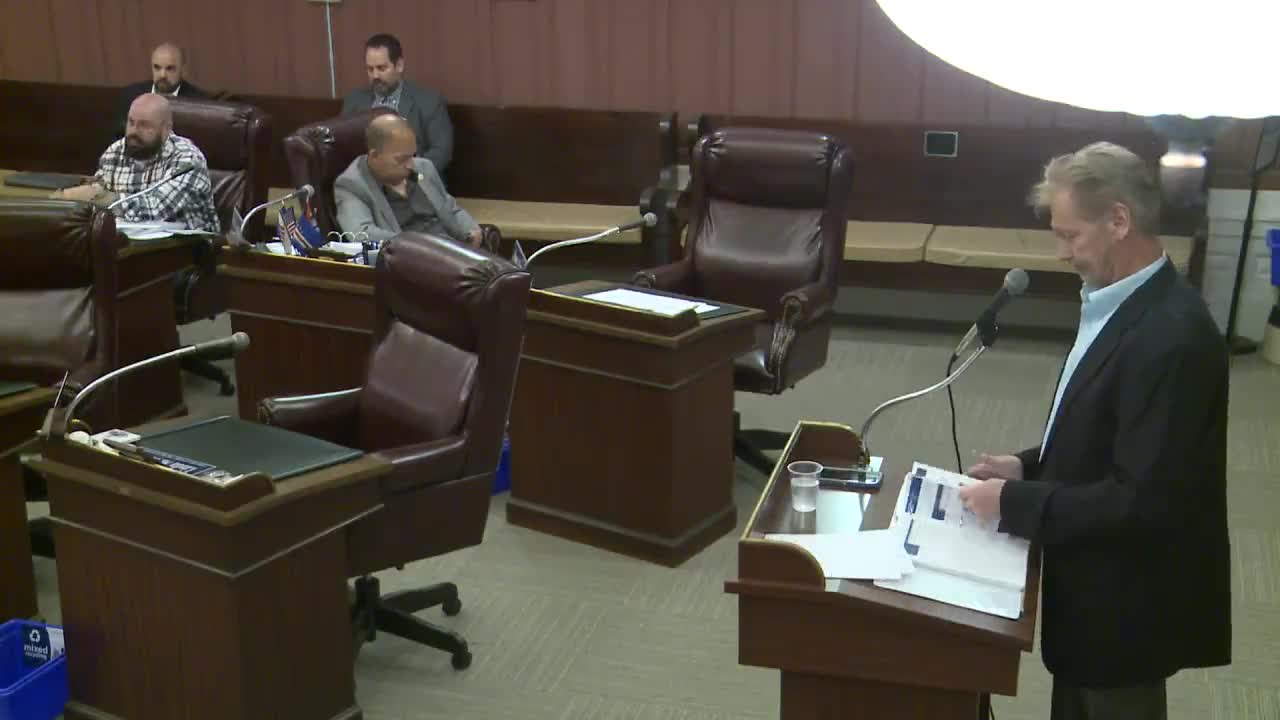
New Bedford officials told the City Council’s budget committee on May 27 that the city’s fiscal 2026 pension assessment will total about $43.6 million and the retirement board is seeking payment early in the fiscal year. CFO Bob Ekstrom said the board is invoking a provision that would require the city to deliver the full assessment near the start of the year, rather than in later installments.
The timing matters because pension funds invest contributions immediately. “This year, the board has opted to take advantage of ... Mass General Law chapter 32 that allows them to assess the city,” Ekstrom said, explaining that a delayed city payment would cost in interest and lost investment return. He estimated that paying late would effectively cost the city about a 7 percent per‑annum charge compared with the retirement fund's expected returns.
Why it matters: delivering the assessment earlier preserves investment earnings inside the retirement fund and may reduce the city’s overall cost, Ekstrom and Treasurer John Taxiaricus told the committee. Ekstrom said the difference could be several hundred thousand dollars depending on timing; he described a scenario in which moving money into the fund sooner could yield better net results than paying interest on an alternative financing method.
Councilors pressed finance staff on options. Councilor Ryan Ferreira asked whether a short‑term revenue anticipation or tax anticipation note could be used to move cash into the retirement system immediately; Ekstrom said such notes are feasible and might carry interest in the low single digits but noted the city has not routinely used such borrowing in recent years. “There is an option to do that,” Ekstrom said, adding he had not gauged the administration’s appetite and that the administration and treasurer would continue to explore alternatives.
Councilors also asked for the pension funding schedule through the statutory payoff year to understand how the assessment will evolve. Ekstrom and staff agreed to provide the detailed schedule and noted the retirement board’s formal valuation will be issued next year and could change the exact path.
Ending: Finance staff said they will return with a schedule and cash‑management options and urged the council to consider an early payment to avoid the statutory interest exposure and to maximize the city’s long‑term investment yield.