Get Full Government Meeting Transcripts, Videos, & Alerts Forever!
Get email alerts on the Fairboard Budget Events topic
No spam. Unsubscribe anytime.
Bannock County fairboard outlines new building costs, event funding and visitor‑tracking proposal
Summary
Fairboard members described operating cost estimates for a new fair building, proposed event funding, and a possible subscription to Placer AI visitor analytics (discounted through RMAF) to better document fair attendance and draw sponsorships.
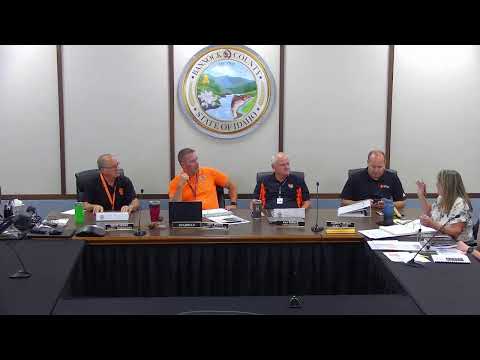
Members of the Bannock County Fairboard presented budget requests and operational plans to the county commissioners during an unspecified budget meeting, detailing anticipated utility costs for a new building, equipment and inventory management needs, and a proposal to buy visitor‑tracking analytics to better document attendance patterns.
Why it matters: The fairboard said a new building and rising event costs require modest increases in operating requests and clearer plans for inventory, utilities and contingency funds. Officials also argued that data on visitor origin and demographics could help with sponsorship sales and event planning.
Budget and operating details: Fairboard representatives Delaney Moser Evans (identified as a fairboard representative), Jamie Pearson (fairboard coordinator) and Alex Houser (grounds coordinator) said they sought increases only where they had specific anticipated expenses: utilities for the new building, fuel for a new water truck, and limited increases for office equipment and operating supplies. The group asked about Internet and utilities estimates and acknowledged uncertainty for first‑year costs: “After the first year, we'll have a better idea,” one member said.
Internet and equipment: The fairboard discussed an Internet line budgeted at $2,400 for the year and explained that figure was based on a monthly bid (discussants referenced about $127 a month in the meeting). The commissioners and staff noted the county has approved fiber in other operations and emphasized using a secure connection because of camera systems.
Inventory and contingency planning: Fairboard members said they need an inventory count of kitchen supplies, chairs and other assets tied to the new building and suggested adding a modest replacement contingency into rental fees or repair and maintenance accounts. They asked the clerk’s office to confirm asset status for two older printers that remain on the county’s asset list but no longer function.
Events funding and accounting: The fairboard discussed whether event funding should remain within the enterprise fund under the events manager or move to the general fund where it would be subject to commission oversight and potential subsidy. For 2026 planning the fairboard suggested budgeting about $10,000 in county operations for spring and community events, with the caveat that if revenues fall short the county would be subsidizing those events.
Visitor tracking proposal: The fairboard raised Placer AI as a source of mobile‑device‑based visitor analytics; a sample Placer AI report previously estimated about 33,500 fair visitors in a year. Placer AI licensing was reported at about $12,000 per year, with an RMAF (Regional/State fair membership) discount potentially lowering the cost to $7,500 annually. Fairboard members said they were open to a short demonstration for commissioners and to exploring cost‑sharing with other county events.
Other items: The fairboard reported the sheep barn and other new facilities are in use for horse shows and similar events, and described outreach plans (reduced printed booklets, QR codes and banners) to better publicize the fair. They also noted a prior decision to avoid large national concerts after difficulties with enclosure and barricades, and said they will target more local performers.
Ending: Fairboard members will provide additional documentation on utilities, asset inventories and Placer AI pricing for future consideration. Commissioners signaled willingness to revisit the events funding location (enterprise vs. general fund) and asked staff to coordinate follow‑up before a final budget decision.