Lifetime Citizen Portal Access — AI Briefings, Alerts & Unlimited Follows
UN: Gaza fuel, medical and communications shortages push humanitarian operations to brink
Loading...
Summary
The UN says fuel shortages, damaged medical infrastructure and an internet blackout are limiting life-saving care and aid delivery across the Gaza Strip, with partners reporting rising casualties, mass amputations and large new displacement.
The United Nations said on the record that severe shortages of fuel, medical supplies and communications are curtailing humanitarian operations across the Gaza Strip and contributing to growing casualties and displacement.
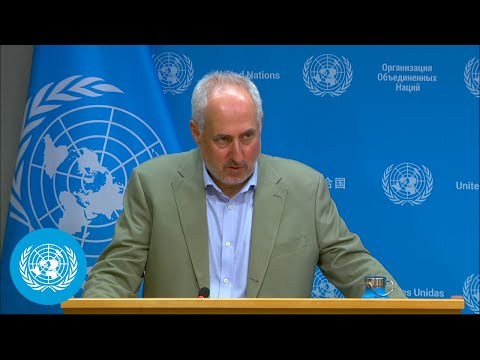
At a U.N. press briefing, the spokesperson said partners reported that medical teams at the Nasser Medical Complex in Khan Younis cleared the maternity ward to make space for the injured and converted rooms into emergency operating spaces. “Many of the injured people had to undergo life saving amputations,” the spokesperson said. The Office for the Coordination of Humanitarian Affairs (OCHA) has reported continuing attacks that have killed and injured people and damaged vital infrastructure.
Why it matters: Fuel is essential to run hospital generators, ambulances and communications equipment. The spokesperson said fuel stocks have dwindled after more than 100 days without new supplies entering the Gaza Strip, and humanitarian operations have been “pushed to the brink of collapse.” The Palestinian Red Crescent, the spokesperson said, is operating fewer than two dozen of the 58 ambulances it has across Gaza because of fuel shortages.
U.N. partners reported that a new field hospital in Khan Younis will provide care for displaced families at the Al-Mawasi area but that inpatient admissions at field hospitals have increased threefold because of access problems at the Nasser Medical Complex. The spokesperson said repair missions to fix communications infrastructure have been denied by Israeli authorities; the briefing noted an internet blackout affecting Deir al-Balah, Khan Younis and Rafah, which is disrupting aid coordination and communications for humanitarian workers.
The U.N. described repeated denials of access to recover stored fuel inside Gaza. The spokesperson said that Israeli authorities approved a request to collect fuel from a station in Rafah on the day of the briefing and that the mission was ongoing. OCHA, the spokesperson added, carried out the last successful mission to retrieve fuel from inside Gaza about one month earlier; subsequent retrieval attempts have been repeatedly denied.
Displacement and scale: The spokesperson said more than 680,000 people have been displaced again across the Gaza Strip in the past three months, including almost a quarter of a million people forced to flee in the previous 30 days. The briefing added that new Israeli displacement orders around Khan Younis and Deir al-Balah affected hundreds of families and placed five primary health-care centers and three medical points within about 1,000 meters of the displacement area.
The U.N. reiterated calls for immediate, unimpeded humanitarian access to fuel, medical supplies and communications so partners can sustain life-saving services. “It is urgent that fuel is made available to run the backup generators needed to sustain a minimum level of life sustaining activities,” the spokesperson said.
Ending note: The spokesperson said partners are trying to scale up field medicine and emergency responses but that shortages of supplies, fuel and communications — and restrictions on access — are preventing full operations and increasing risks for civilians and aid workers.