
Niskayuna board hears Schenectady's "City Is Our Campus" proposal for downtown musical-theater partnership
Get AI-powered insights, summaries, and transcripts
Sign Up Free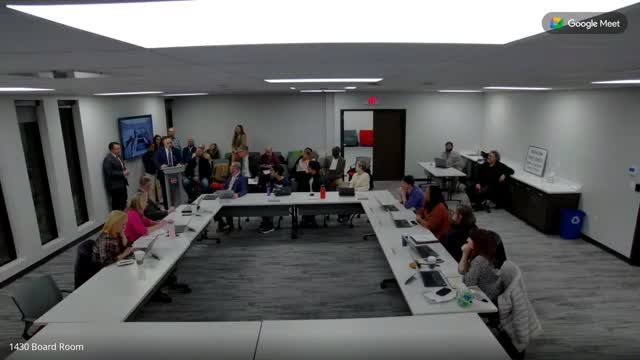
Summary
Schenectady City Schools and Proctors Collaborative presented a downtown musical-theater program that would take Niskayuna students to Proctors for half-day AM/PM sessions; presenters said no new Niskayuna staff are needed and that programs would be treated similarly to BOCES/CTE tuition arrangements.
NISKAYUNA, N.Y. — Representatives from Schenectady City Schools and the Proctors Collaborative introduced the City Is Our Campus musical-theater program during the Niskayuna Central School District Board of Education meeting on Jan. 28, outlining an existing program based at Proctors Theater that Schenectady officials said could be opened to neighboring districts.
Joseph DiCaprio, deputy superintendent of Schenectady City Schools, described the program as a partnership that offers in-depth musical-theater instruction, combining acting, dance, voice, music and a media/ELA component in a block schedule similar to regional CTE/BOCES offerings. Chris Chang, principal of City Campus, and Philip Morris of Proctors Collaborative joined DiCaprio to present classroom and performance elements, resident-artist support and community engagement activities, including downtown performances and participation in local events.
Schenectady presenters said the program currently runs two half-day sessions (morning and afternoon) with approximately 25 to 28 students per session; students can attend as 10th-to-12th-graders in a multi-year sequence. Presenters said the model has guest artists and residencies (for example, a Broadway choreographer) and culminates in a showcase at Proctors' GE Theater.
On logistics and costs, presenters said the districts would work out a tuition-rate arrangement similar to BOCES: Niskayuna would not need to add full-time staff, and scheduling would be coordinated between counselors so students can fit the program into their graduation plans. Presenters said sessions would be commingled with Schenectady students rather than operating as a separate Niskayuna cohort.
Board members asked about admissions if demand exceeds capacity, transportation arrangements and whether adding Niskayuna students would require new full-time positions. Schenectady staff said selection would follow models used for CTE programs (auditions or lotteries where demand exceeds seats), transportation would be addressed in inter-district planning, and the current model does not require new Niskayuna FTE; tuition from partner districts would help support the program.
Why it matters: the program would give Niskayuna students access to concentrated musical-theater instruction and downtown performance venues. Trustees said they welcomed more information and asked staff to work on scheduling logistics and cost modeling as the districts finalize FY2025-26 budgets.
Quotes
"This partnership is all about collaboration, but it's also very much about opportunity," Joseph DiCaprio said while introducing the presentation.
Next steps
District officials said they will work with Schenectady on scheduling logistics and a tuition model and bring options through the finance committee and back to the board in the coming months for consideration as the district finalizes course sectioning and budgets.