
District counsel briefs staff on responding to immigration enforcement: 'Think calm,' verify warrants, consult superintendent
Get AI-powered insights, summaries, and transcripts
Sign Up Free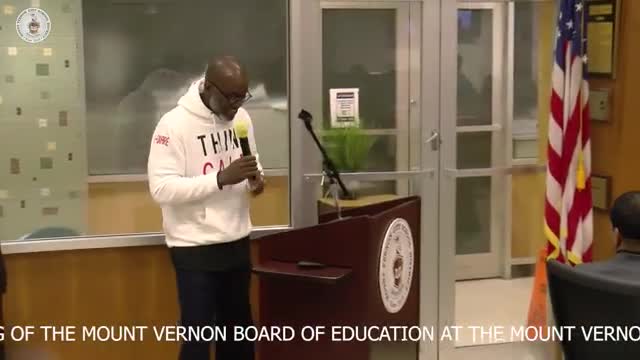
Summary
In a staff presentation shared with the public, in‑house counsel Royce Russell advised staff to stay composed, verify paperwork from immigration agents, limit disruption, record events and consult the superintendent and legal counsel before sharing student or personnel records.
Royce Russell, the district's in‑house counsel, briefed trustees and staff on Oct. 14 on how school employees should respond if immigration or other law‑enforcement officers appear at school sites. Russell framed his guidance around four steps — "think calm": stay composed, be aware, listen and make a call — and repeatedly urged staff to document names, badge numbers and any paperwork.
"If it's not on a report, then it didn't happen," Russell told the board, explaining that accurate, contemporaneous documentation is critical to any later challenge. He also said that staff may record public officials and that video can help reconstruct events for parents, the superintendent and counsel.
Russell summarized legal limits and staff options. As a general rule he said the Fourth Amendment bars warrantless, nonconsensual entry into nonpublic school spaces; without a judicial warrant, court order or properly executed administrative order, he said, the district may deny entry to nonpublic areas. If authorities present a warrant or court order, Russell said school officials should try to negotiate the terms of any on‑site action to limit disruption and to protect students. He advised staff to ask whether an officer has an arrest warrant, a court order with a raised judicial seal, or other documentation establishing probable cause.
Russell warned the board that federal Department of Homeland Security policies changed in 2025, rescinding some earlier limits on enforcement in places once considered protected; that change makes enforcement discretionary in some circumstances. At the same time he noted that New York State's guidance continues to treat schools as safe havens and that the state's 2025 joint guidance requires school personnel to consult the superintendent and legal counsel when immigration actions are anticipated.
Russell also outlined distinct concerns for employee audits (I‑9 audits), for the different federal agencies that may appear on school property, and for events open to the public (which he said may be treated as open spaces where enforcement is more likely). He reminded staff that FERPA and special‑education law (IDEA, Section 504) limit what school staff can disclose and that personnel should rely on the superintendent and counsel for requests for records.
Trustees asked practical questions about translating the guidance and distributing information to families. Vice President Mitchell asked whether the presentation will be posted in multiple languages; Russell and Superintendent Strickland said they will proceed cautiously because widely posting guidance can sometimes draw unwanted attention from enforcement. Russell suggested using controlled channels — for example, giving translated materials to parent liaisons or PTAs to share directly with families, rather than posting documents prominently online.
Why it matters: Russell's guidance clarifies staff obligations and practical steps to protect student safety and confidentiality while complying with federal court orders. Trustees directed staff to balance transparency to families with operational caution to avoid creating additional risk to students and staff on campus.