Get Full Government Meeting Transcripts, Videos, & Alerts Forever!
Get email alerts on the Consumer Protection Used Cars topic
No spam. Unsubscribe anytime.
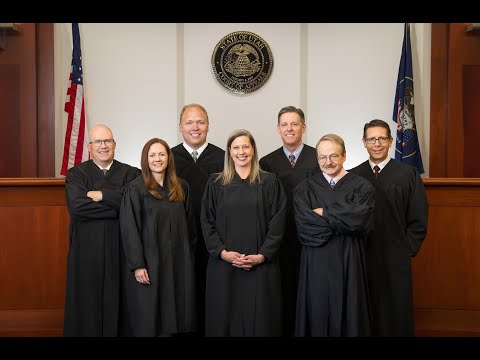
Utah Court of Appeals hears dispute over used‑car disclosures, buyer’s guide and inspection certificate
Summary
The Utah Court of Appeals heard argument Tuesday in Tidwell v. Jensen, a dispute over whether representations made at the point of sale and a dealer’s printed buyer’s guide and motor‑vehicle contract can shield a dealer from claims under the FTC Used Car Rule and the Utah Consumer Sales Practices Act, and whether the trial record supports findings about knowledge of frame damage and a counterfeit safety‑inspection certificate.
The Utah Court of Appeals heard argument Tuesday in Tidwell v. Jensen, a dispute over whether representations made at the point of sale and a dealer’s printed buyer’s guide and motor‑vehicle contract bar a consumer fraud claim brought under the Utah Consumer Sales Practices Act (UCSPA) and whether federal law (the FTC Used Car Rule) changes that analysis.
The issue matters because the case tests when oral statements by a used‑car salesperson and a dealer’s written “as‑is/no warranty” paperwork can be reconciled with state consumer‑protection law and the federal rule that governs used‑car disclosures. The appellant, Richard Tidwell, says he relied on oral statements that the vehicle had been safety inspected and was sound; the dealer’s side says Tidwell signed an as‑is contract and the buyer’s guide, and there is insufficient evidence that the seller knew of the vehicle’s alleged frame defects.
At argument, counsel for Tidwell summarized the core issues: "There are 2 major issues in this appeal. First is whether, under the FTC Act, the trial court correctly ruled that in this case, intent required an actual intent to deceive. Second issue is whether, in light of the requirements of the FTC used car rule, and as his rule contracted for by the parties to a car deal can exculpate a deal that makes a misrepresentation from liability," (counsel identified in the record as Mr. Adi).
Why the court asked questions: Judges repeatedly focused on the mens rea the statutes require and on what the record shows the dealer and salesperson knew before and at the time of sale. The district court concluded the UCSPA, as written at the time of sale, required the supplier to act knowingly or intentionally; Tidwell’s counsel urged that the statute (and federal law) permit liability without proof of an intent to deceive if a seller makes affirmative representations without reasonable investigation.
Key facts from the record: Tidwell testified he was steered away from inspecting the frame by a salesperson, Toscano; the Manheim Auto Auction record for the vehicle was marked "alt suspension/structural" (a designation counsel said can indicate frame damage under Manheim/auto‑auction arbitration rules); auction listings for the vehicle were shown with a yellow light flag; a folder including a safety‑inspection certificate and the buyer’s guide was handed to Tidwell when he paid (Tidwell paid with a $10,000 check and $1,000 cash according to the record); Tidwell’s counsel told the panel the safety‑inspection certificate was counterfeit and that notes in Toyota’s records reflected telephone inquiries about frame repair when Jensen owned the vehicle.
Counsel for the dealer, Jake Hinkens, told the court Tidwell "explicitly purchased a vehicle as is with no warranty" and argued the contract and buyer’s guide weigh against finding reasonable reliance on oral statements. He also highlighted the district court’s credibility and evidence findings — including that Toscano had driven the vehicle and that the buyer’s inspection certificate the dealer presented was contemporaneous with the sale — and argued there was no evidentiary basis to conclude the dealer knew the frame was defective.
Areas of dispute the appeals court pressed the parties to clarify: - Which mens rea the UCSPA required at the time of Tidwell’s purchase (the parties disputed whether the statute required proof that the defendant knew the statement was false versus proof only that the seller knowingly made a representation). - Whether the FTC Used Car Rule preempts a dealer’s attempt to use the buyer’s guide or contract to disclaim oral statements that allege safety or condition representations. - Whether the purported counterfeiting of the safety‑inspection certificate and the Manheim auction flagging provide admissible evidence tying the dealer or salesperson to knowledge of frame damage.
What the court did: after questioning the parties, the panel announced the case submitted and said it would issue a decision as soon as possible.
Context and next steps: Tidwell’s appeal raises overlapping statutory and common‑law claims — the UCSPA claim involves statutory language (the parties and judges referenced the statutory section 13‑11‑4(2)(a) in argument), and the complaint also alleges common‑law fraud and reliance. The court’s forthcoming opinion will need to resolve whether the trial court applied the correct mens rea and whether the record contains sufficient evidence that the defendants knew or should have known the vehicle had frame damage. The court will also confront the interplay between state consumer‑protection law and the FTC Used Car Rule, including whether the buyer’s guide may be used by a dealer to limit liability for oral statements about vehicle condition.
Sources and quotes in this story come from the oral argument transcript of Tidwell v. Jensen before the Utah Court of Appeals. The case was submitted at oral argument; the court will issue a written decision.