Get Full Government Meeting Transcripts, Videos, & Alerts Forever!
Get email alerts on the Criminal Procedure topic
No spam. Unsubscribe anytime.
Utah Court of Appeals hears arguments on destroyed chat photo and Miranda invocation in State v. Kyum
Summary
At oral argument in Case No. 20240207, the Utah Court of Appeals heard defense claims that the state destroyed an exculpatory dating‑profile photo and that the defendant unambiguously invoked his right to counsel during post‑arrest questioning.
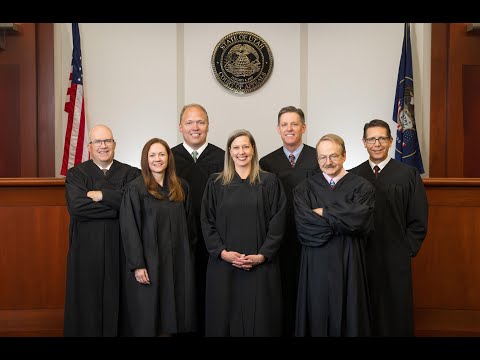
The Utah Court of Appeals heard oral argument Tuesday in State v. Kyum (Case No. 20240207) over whether prosecutors destroyed potentially exculpatory evidence and whether the defendant invoked his right to counsel during a custodial interview. The three-judge panel — Judge John Luthy, Judge David N. Mortensen and Judge Ryan Harris — heard 15 minutes of argument from each side and reserved decision for a written opinion.
The defense, represented by Natalie Skabin, told the court the prosecution destroyed a profile photo that might have shown the person who was communicating with the defendant was an adult, not a minor. Skabin argued the missing profile image “would have been exculpatory” because the photos available in the record showed an adult who “did not look 13,” and that the absence of the original profile altered the context of text messages the jury considered. The defense said the destroyed photo was central both to an entrapment theory and a due‑process claim tied to destruction of evidence.
The prosecutor responding on behalf of the state countered that the claim depended on speculation. The prosecutor told the panel that the record already contains multiple images from the chat exchange and that “there is no reasonable probability that that missing profile picture is in any way exculpatory.” The state also emphasized that several images in the exhibit show the alleged interlocutor’s face and that the thumbnail evidence produced to defense counsel was not meaningfully different from what was before the jury.
The panel also questioned both sides about the degree of culpability associated with the destroyed evidence. Defense counsel characterized the loss as more serious than negligent destruction in prior precedent because the photo had been intentionally removed to protect a confidential informant; the prosecutor said the district court reasonably found no bad faith because parts of the exchange were preserved and produced for defense review.
Separately, argument addressed whether the defendant made an unambiguous invocation of the right to counsel during his custodial interview. Defense counsel pointed to a line in the recorded interview — transcribed in the record as, “I have to tell my attorney to talk to you to answer my questions” — and argued the statement was an unambiguous request for counsel that should have halted questioning. The state urged the court to view the statement as the defendant repeating or paraphrasing his Miranda rights to show he understood them, and noted the district court watched the video and concluded the defendant was repeating his rights rather than invoking them.
After hearing both sides and asking follow‑up questions about the video record and transcript variations, the panel took the case under advisement and said it will issue a written opinion. The court also noted the video is in the record and that, where transcript versions differ, the panel can and will view the recording as part of its de novo review of the custodial‑statement issue.
The court heard this case as part of a public appellate oral‑argument session at Utah State University; the judges said they will release a written opinion addressing the destruction‑of‑evidence and Miranda issues.