Milwaukee County finance panel restores Route 28, funds fare-evasion response and delays some camera work
Loading...
Summary
The Finance Committee recommended funding changes to preserve a key MCTS route, add funding for fare-evasion staffing and delay broad camera replacement work pending a narrower fix for broken jail cameras. Members debated cost-effectiveness and public safety impacts.
The Milwaukee County Committee on Finance voted to recommend funding that preserves Metro Transit Route 28 and to add money to MCTS for a fare-evasion response while asking departments to limit large capital camera replacements at this time.
The committee approved an amendment by Supervisor Ryan Balinski to restore Route 28, a north–south line serving multiple municipalities and employers, and to shift $1.2 million from the IJCC courthouse design line to transit to avoid the route’s elimination in 2026. The motion carried on a roll call (7 ayes, 0 no). "This route serves people going to work and to services that have few other options," Balinski told the committee, noting connections to employers and service organizations that serve people with vision impairment.
The panel also advanced a related package to address rising fare evasion and rider/operator safety. Supervisor Soretha Rollins and supporters pushed a plan to fund a small cohort of uniformed transit safety officers and to delay a broad capital camera replacement project so limited, broken cameras could be fixed from contingency. Rollins said the presence of uniformed personnel “could urge more people to pay their fare” and help retain routes. MCTS President Jorge Fuentes and Chief Administrative Officer Sandy Kellner said MCTS has already started low-cost, near-term fare-compliance measures and a data-driven report on further steps is forthcoming. Director Joe Lamers, Office of Strategy, Budget and Performance, estimated the $620,000 proposal would fund roughly seven safety officers and warned the math made clear each officer would need to influence many riders to justify the cost.
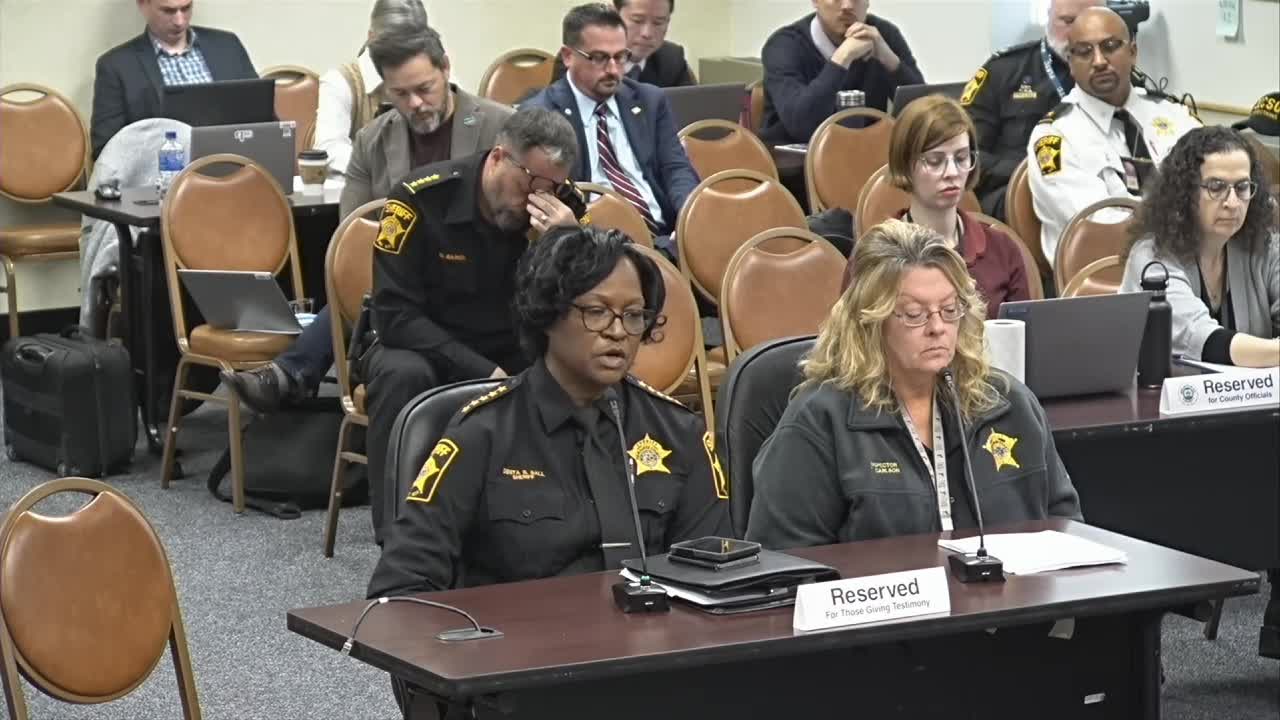
Sheriff’s Office officials and jail leaders objected to delaying the broader CJF (courthouse/jail) camera replacement, saying many cameras are beyond their five-year expected life and outages have already affected operations. Jail leadership reported more than 80 calls for service related to the cameras since April, and warned that failing cameras can require shutdowns of parts of the jail. County legal counsel said jail video is central to defending litigation and investigating incidents.
Committee members debated the trade-offs: some said targeted contingency spending to fix broken cameras now could be paired with transit funding; others said moving money already designated to leverage state support for the IJCC project risked undermining future state cooperation and raised long-term property tax implications. Ultimately, the committee approved a one-year pilot for added transit safety staff and a delay of the wide camera replacement project; it also approved the Route 28 restoration (motion carried 7–0).
The approvals will be forwarded to the full board and require final appropriation action with the budget.
Ending: The committee asked MCTS to continue reporting on the results of low-cost anti-fare-evasion strategies and to return data on whether added safety staff reduced evasion and route losses. The jail and IMSD were asked to identify any immediately broken cameras that must be repaired from contingency to avoid operational shutdowns.