
Residents urge Champaign County board to back reparations commission; personal testimony dominates comments
Get AI-powered insights, summaries, and transcripts
Subscribe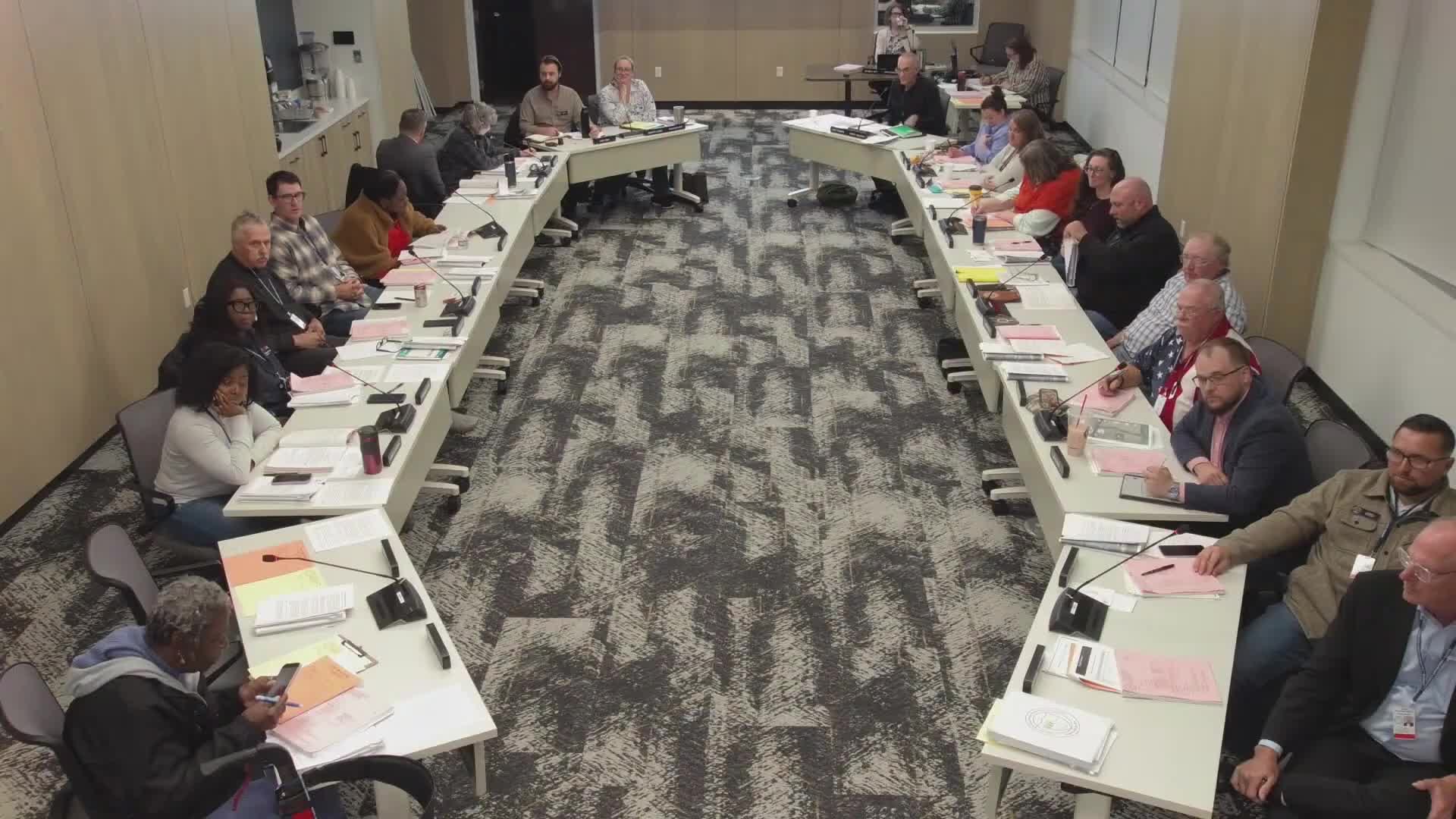
Summary
A string of public commenters on Oct. 23 asked the Champaign County Board to adopt and fund a county reparations commission (resolution referenced as 2025-303), offering personal testimony, historical context and proposals for priorities; no final board vote appears in the transcribed excerpt.
Speakers at the Champaign County Board meeting Oct. 23 urged support for a resolution referenced in public comment as resolution 2025-303 to establish and fund a county reparations commission, with multiple residents and community organizers offering personal testimony, historical framing and proposals for commission priorities.
Jeffrey Trask, a longtime county resident, told the board: "I hope that you see this vote not as a political polarizing issue, but as a unifying injustice issue." Trask described personal incidents of discrimination and urged the board to "start and continue a long overdue journey towards creating a more just world." Derek Biles reiterated that support and framed reparations as a step toward addressing entrenched local inequities including criminal-justice disparities.
Several speakers tied reparations to concrete local needs. Sharon Irish read a letter from Randall (Randy) Nelson that cited household-wealth disparities (Nelson quoted median white household wealth at $284,000 versus $44,000 for Black households) and argued for institutional, policy and programmatic steps to repair harms. Irish said the local CU Reparations Coalition is prepared to assist a commission and suggested housing, land and lending as possible early priorities.
Other supporters included Rebecca Mangels, who urged the board to vote yes, and community organizers who connected reparations work to housing and the broader local policy agenda. Speakers framed the commission as a research and planning body that could recommend targeted remedies (housing, education, workforce development and related items) rather than immediate cash payouts.
The item was referenced by several public commenters and appears on the board agenda for discussion and potential action; the transcribed portion does not include a roll-call vote or final board action on the resolution. Multiple commenters emphasized coalition-building, long-term research and the need for community engagement in any reparations process.
The meeting continued with additional public input on other items after the reparations testimony ended in the excerpt.