Get Full Government Meeting Transcripts, Videos, & Alerts Forever!
Get email alerts on the Land Use Zoning topic
No spam. Unsubscribe anytime.
Subcommittee approves zoning bill to clarify appeals and administrative review; lawmakers say change will reduce litigation
Summary
House Bill 318, the "Efficient Zonings Act," returned the House zoning bill to the House version and clarifies which land-use decisions require quasi-judicial hearings and which may be handled administratively; the subcommittee voted to advance the bill to full committee.
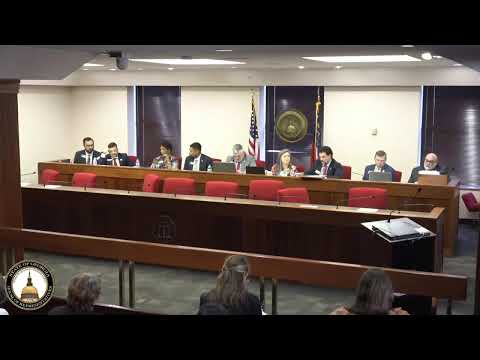
The subcommittee moved House Bill 318, a zoning bill the sponsor called the "Efficient Zonings Act," out of the State and Local Government subcommittee and onto full committee after brief presentation and questions.
Representative Matt Reeves said HB 318 largely returns the House’s zoning language from the prior session (the Senate had added an annexation provision earlier) and incorporates recommendations from a "blue-ribbon panel" of zoning lawyers. Reeves said the bill clarifies how appeals of zoning decisions are handled and allows certain special-use permits and similar administrative matters (for example, food truck permits or facade changes) to be handled administratively by zoning officials rather than by a quasi-judicial body.
Former state representative Andy Welch, who helped draft the revisions as a practicing zoning lawyer for municipalities and counties in the south metro area, told the committee the draft provides clarity that will reduce the need for costly litigation and unnecessary hearings. Welch said the changes were vetted by attorneys representing both development interests and local governments.
After the presentations, a committee member moved that the subcommittee report the bill favorably. The motion received a second; a voice vote carried. The chair said the bill will be considered in full committee the next day.
Reeves and Welch said the bill does not change public-notice or hearing requirements for rezonings; instead, it refines the distinction between quasi-judicial zoning decisions and routine administrative approvals to reduce confusion for government attorneys and limit litigation costs.