Get Full Government Meeting Transcripts, Videos, & Alerts Forever!
Get email alerts on the Disciplinary Actions topic
No spam. Unsubscribe anytime.
Tennessee Board issues fines, warnings and closures across dozen-plus complaint cases; refers repeat unlicensed matters to prosecutors
Summary
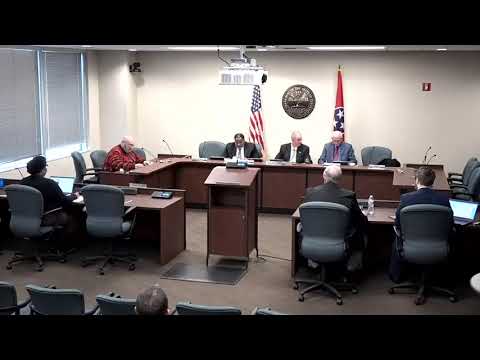
At its Jan. 14 meeting the Tennessee Board of Funeral Directors and Embalmers accepted counsel's recommendations on more than a dozen complaint files, issuing civil penalties, letters of warning or closure and referring a set of recurring unlicensed-activity complaints to district attorneys for criminal review.
The Tennessee Board of Funeral Directors and Embalmers accepted legal staff recommendations on more than a dozen disciplinary cases during its Jan. 14 meeting, imposing civil penalties in several files, issuing letters of warning or instruction in others, closing multiple complaints and referring a set of recurring unlicensed-activity matters to district attorneys in the appropriate jurisdictions.
Board counsel presented each case in turn and the board voted on counsel's recommendations after brief discussion of the sanctions and, in some matters, whether higher penalties were warranted. Several members said the board has seen a rising volume of expired-license complaints and argued for stiffer penalties to improve compliance.
Nut graf: The board's actions ranged from closure of complaints where counsel found no establishment liability, to civil penalties from $250 to $1,000. Legal staff also asked the board to refer a lengthy series of complaints alleging continued unlicensed practice by one former licensee to local district attorneys, saying each file contains sworn statements and investigative evidence.
Most notable outcomes included a $2,000 recommended civil penalty (consent order authority) initially proposed for an establishment that operated with an expired establishment license and wrote 21 contracts during the unlicensed period; the board accepted counsel's recommendation for that case with the motion to accept carried. In multiple cases involving individuals or establishments that allowed licenses to lapse and continued to practice, the board increased recommended penalties above counsel's original suggestions: for example, the board raised an advised $500 recommendation to a $750 penalty in one establishment matter and moved several $250 recommendations to $500, noting the frequency of such lapses.
In one case involving an apparent misunderstanding between a family and a funeral home over whether prices quoted in 2021 were guaranteed in 2024, legal recommended a letter of warning focused on how prices and estimates are presented; the board instead voted to issue a more prescriptive letter of instruction clarifying how the establishment must disclose funded vs. unfunded preneed arrangements and how guaranteed prices are documented.
Legal staff told the board that a group of complaints (case numbers cited by counsel) concerning a former licensee alleging repeated unlicensed practice had produced verified evidence and sworn statements; because the matters appear to be criminal in nature, counsel recommended, and the board voted to approve, referral of those files to the district attorneys in the appropriate jurisdictions.
Ending: Board members generally approved counsel's recommendations after limited discussion. Several members urged staff to consider (separately) whether penalty levels should be increased on a wider, policy level to reduce recurring lapses in licensure.