Get Full Government Meeting Transcripts, Videos, & Alerts Forever!
Get email alerts on the Restitution Law topic
No spam. Unsubscribe anytime.
Appeals court hears dispute over which restitution law version applies in State v. Christopher DeVore; defense says trial counsel was ineffective
Summary
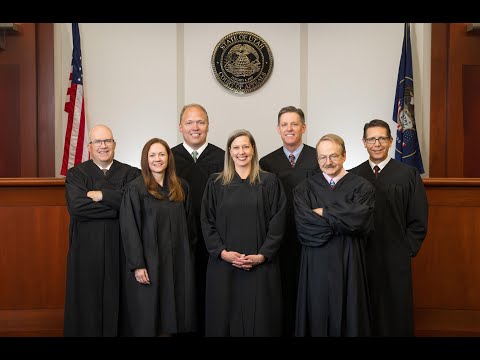
The Utah Court of Appeals heard oral argument in State v. Christopher DeVore on whether the 2023 version of the Crime Victim Restitution Act governs a post‑sentencing motion for additional restitution and whether trial counsel’s failure to raise that defense amounts to ineffective assistance.
The Utah Court of Appeals heard oral argument in State of Utah v. Christopher DeVore on whether the 2023 version of the Crime Victim Restitution Act (CVRA) governs a victim’s post‑sentencing motion for additional restitution and whether trial counsel was ineffective for not raising that timeliness defense.
Appellant counsel Jessica Heidholzer told the panel that the governing event for procedural rules is the procedural act itself and argued the filing of the motion for additional restitution is the event regulated by the statute. "The event regulated here is UOVC’s motion for additional restitution," Heidholzer said, urging the court to apply Clark and related precedents and to treat timeliness as governed by the statute in effect at the time of the filing. She argued that under the 2023 CVRA the motion was untimely and therefore the additional restitution order should be vacated.
Heidholzer also framed the dispute as an ineffective assistance of counsel (IAC) claim: she said trial counsel raised timeliness in argument but did not cite or rely on the controlling statutory provision and thus left the court without a legal route to dismiss an untimely motion. She invoked United States Supreme Court precedent in Padilla to argue that counsel can be constitutionally deficient even when the controlling authority is not fully settled, if the error falls below reasonable professional standards.
The state, represented by Michael Palumbo, urged a different reading. Palumbo pointed to Utah Supreme Court decisions — including DeBrock and Blake — that, he said, recognize restitution as a component of sentencing and instruct courts to apply the CVRA version in effect at sentencing. "Under the CVRA and the sentencing statute, restitution is part of sentencing," Palumbo told the panel, and he said prior appellate rulings reasonably supported counsel’s decision not to press a post‑sentencing statutory theory that would impair the sentence.
The parties also debated the sufficiency of evidence supporting the court’s finding that DeVore proximately caused the victim’s need for reconstructive surgery. Heidholzer argued the record contains undisputed preexisting facial injuries and that the victim’s declarations and billing records did not, by themselves, show proximate causation for the surgery without medical testimony placed in context. The state replied that the victim’s declaration, medical billing records and UOVC’s investigation provided additional, affirmative evidence and cited State v. Blake to argue the record was sufficient.
Judges asked detailed questions about which statutory event should govern, the proper analogies to statutes of limitation and whether a post‑sentencing order is jurisdictional or merely voidable. Counsel discussed intervening authorities, including Doe v. Broadbent (2024) and Winter, and disagreed about how to treat the 2021 temporary amendment language that briefly tied some provisions to the date of sentencing.
The panel thanked counsel for helpful briefing and argument and said it would take the matter under advisement and issue a written opinion.