Get Full Government Meeting Transcripts, Videos, & Alerts Forever!
Get email alerts on the Public Comments Infrastructure Neighborhood Impact topic
No spam. Unsubscribe anytime.
University Heights town hall draws strongly divided public comments on Warrensville redevelopment, utilities and neighborhood impacts
Summary
Dozens of residents urged caution about the proposed zoning rewrite, voicing concerns about retail viability, traffic and cut‑through streets, electric and stormwater infrastructure, public‑safety staffing, property values and the scale of new development.
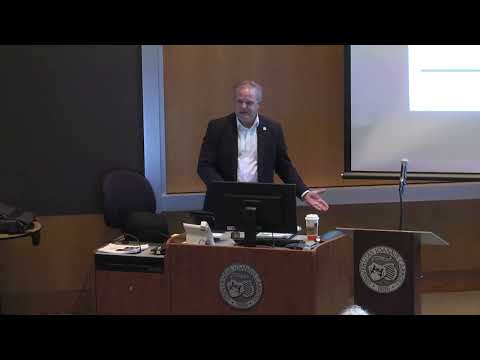
A Sept. 30 town hall in University Heights drew sustained public comment on the city’s draft zoning rewrite, with residents offering substantial cautionary feedback on Warrensville Center Road redevelopment, accessory dwelling units, infrastructure capacity and neighborhood character.
Many speakers said they support updating the city’s zoning but asked for clearer limits on scale, concrete data on fiscal impacts and protections for adjacent single‑family lots. “I actually do believe that a refresh of Warrensville could be beneficial to the city. However, I also believe that the zoning code that is being presented does have some flaws in it,” resident Pat Coburn said, raising economic viability concerns about scattered corner retail.
Key community concerns raised at the town hall
- Retail viability and clustering: Multiple residents questioned whether small, corner retail at each intersection would be economically viable. Coburn and other commenters said clusters of retail (rather than one shop at each corner) might perform better, and warned vacant storefronts could harm the corridor.
- Scale and form adjacent to single‑family lots: Fenwood and Saybrook Road residents asked how new structures — particularly multifamily or three‑ to four‑story buildings — would affect backyard privacy, sightlines, light, noise and property values. Several speakers asked for form‑based rules and specific height limits rather than broad allowances.
- Traffic and cut‑through routes: Speakers said that narrowing Warrensville Center Road could push traffic onto neighborhood cut‑throughs (Traymore, Fenwood, Saybrook). Residents requested traffic‑calming measures, curb and median design, and enforcement strategies to limit spillover and high speeds on local streets.
- Utilities and infrastructure capacity: Nate Kelms and consulting engineer Joe Pacchione raised concerns about electrical capacity and the city’s stormwater and sanitary infrastructure. Pacchione urged the city to inventory utility capacity and estimate costs to upgrade storm sewers and water systems before enabling higher density.
- Public safety and service staffing: Corner residents asked whether police, fire and service departments have capacity to handle increased calls associated with higher density. Former municipal attorney Robin Soter and others said recruitment challenges for emergency services are widespread and should factor into planning.
- Fiscal context and municipal liabilities: Michael Maliscus reported reviewing the city budget and identified “millions of dollars of unfunded liabilities,” citing road upkeep and pension obligations; he urged adding density as one tool to broaden the tax base. He said road maintenance needs were at least $2 million annually and that city facility interest costs would add more pressure to the budget.
Quotes from residents and technical voices
“First of all, you have mentioned quite often about the University Heights master plan. There are significant deviations along Warrensville from that University Heights master plan,” Pat Coburn said, adding he created a URL to display map differences for residents.
“I went around a few months ago and had people who've come here from other parts of New York and said, we moved here to get away from this crowded housing situation,” Dr. Jeffrey Eckstein said, expressing opposition to higher densities in single‑family neighborhoods.
“I challenge folks working on this to kinda play with those numbers,” resident Andrew Wall said, urging the city to model tax revenue scenarios for different housing mixes (four‑story apartments vs. townhomes vs. single‑family) and assess who would occupy new units.
Technical and practical points
Several speakers with technical backgrounds urged sequencing and study before rezoning: Pacchione recommended an infrastructure assessment for stormwater, sanitary and fire flows and cautioned that increased impervious surface requires detailed stormwater solutions. Nate Kelms and others raised electrical capacity concerns for larger developments and noted regional utility maintenance issues.
Public enforcement and property maintenance
Residents complained about existing conditions on Warrensville—including cars parked on lawns and under‑maintained rental properties—and urged stricter code enforcement. Multiple commenters said some landlords have not invested in landscaping or upkeep and warned that unaddressed property neglect would undermine corridor improvement efforts.
What residents asked the city to do next
Commenters requested: clear, map‑based alternatives for where commercial should be located (corner‑by‑corner retail vs. clustered retail); explicit form‑based standards and height limits near single‑family neighborhoods; a utility and infrastructure capacity study; fiscal modeling of tax impacts under different development scenarios; and continued public engagement including advisory working groups.
Ending
City leadership acknowledged the breadth of concerns and said the draft is not final. Officials reiterated plans for additional outreach and a follow‑up town hall on Oct. 30 to continue dialogue. Residents asked council and staff for clearer technical analyses and firm guardrails before any zoning ordinance is adopted.