Get Full Government Meeting Transcripts, Videos, & Alerts Forever!
Get email alerts on the Peer Review Administration topic
No spam. Unsubscribe anytime.
Peer review enrollment falls; TSCPA and board discuss capacity, corrective actions and firm drops
Summary
TSCPA reported a roughly 6% annual decline in enrolled firms to 446, described peer review pass/fail statistics, corrective actions, and the process for drops and terminations; the board discussed reviewer capacity and geographic service gaps.
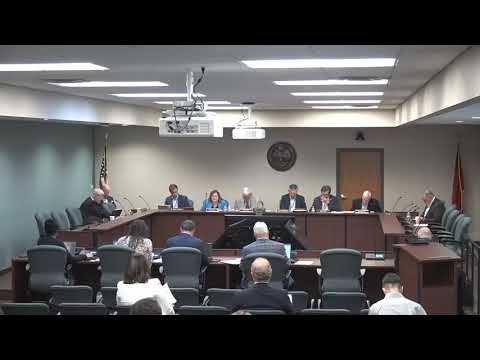
TSCPA staff briefed the Tennessee State Board of Accountancy on peer review administration, enrollment trends and quality‑control activity, and directors and board members pressed TSCPA on reviewer capacity and the implications of declining firm enrollments.
Katie (TSCPA) said the administering entity currently has 446 enrolled firms and that enrollments have declined an average of about 6% per year—changes TSCPA and other administering entities nationwide are also seeing. TSCPA asked the board to note that some firms left enrollment because they merged, retired, or stopped performing services that require peer review.
TSCPA summarized peer review outcomes for a 12‑month period ended June 30: engagement reviews (85 accepted) had an 85% pass rate, 10% passed with deficiencies and 5% failed; system reviews (51 accepted) had an 84% pass rate, 6% passed with deficiencies and 10% failed. The committee issues corrective actions to remediate problems; the most common during the period were targeted continuing professional education (CPE) and pre/post‑issuance reviews.
TSCPA detailed its noncooperation process: 19 firms were dropped from the program in 2024 (13 failed to schedule a peer review, 6 failed to pay administrative fees) and 2 firms were terminated for failure to complete a review or corrective action. TSCPA said firms notified of drops/terminations are communicated to board staff in real time and that firms seeking reinstatement generally must undergo a peer review within 90 days and resolve the underlying deficiency.
Board members raised capacity concerns. A board member noted many small single‑partner firms serve rural counties and may be approaching retirement; Katie said reviewer recruitment has been a national challenge and that firms may use qualified reviewers from other states if a Tennessee reviewer is unavailable. The board and TSCPA agreed to continue monitoring reviewer availability and the enrollment trend.
Ending
TSCPA will continue to provide enrollment updates and oversight information; the board will track drops, terminations and the capacity of peer reviewers as part of enforcement and compliance oversight.