Get Full Government Meeting Transcripts, Videos, & Alerts Forever!
Get email alerts on the Education Budget topic
No spam. Unsubscribe anytime.
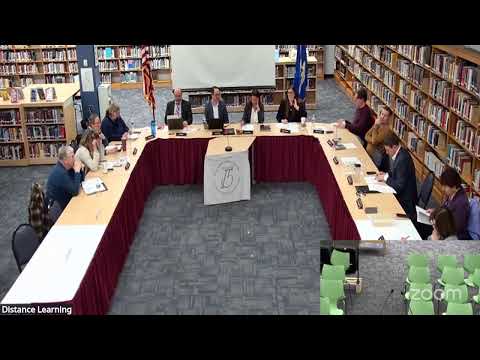
Regional School District 15 board reviews 2025–26 budget proposal including facilities director and data manager positions
Summary
At its Feb. 24 meeting the Regional School District 15 Board of Education reviewed a proposed 2025–26 budget that would raise spending about 4.49% year‑over‑year, add a director of facilities and a district data manager, and increase operating capital to address aging HVAC and other infrastructure. Board members pressed for details on class sizes,
At a Feb. 24 meeting, the Regional School District 15 Board of Education reviewed a proposed $4.49% increase in the 2025–26 operating budget that district presenters said would preserve programs, address staffing needs and begin multiyear investments in aging school infrastructure.
Superintendent presented the budget overview and said the proposal aims to maintain current programs while funding a mix of one‑time and recurring facility investments, contractual cost increases and a small number of new or restored positions. The plan includes re‑establishing a director of facilities position (presented cost about $125,000), adding $100,000 annually to the operating capital line to smooth larger capital repairs, and creating a district data manager role by repurposing an existing unfilled central office line with a net salary increase of roughly $30,000.
Why it matters: district leaders told the board that many HVAC units, especially at the high school, are at or near end‑of‑life and that planned, multi‑year replacement improves eligibility for state reimbursement; they warned that emergency replacements would forfeit reimbursement opportunities. The district also flagged a sharp, recent increase in health insurance costs (presenter: about 13%) and ongoing pension liabilities as structural pressures on the budget.
Staffing and class sizes: the proposal models several elementary classroom reassignments driven by current enrollment patterns. Presenters said there would be three section reductions at some elementary grades and four additions elsewhere; the net projected change is about +1 FTE at the elementary level, with a new collaborative learning program proposed for middle schools to address a gap in service models. Board members asked for granular, school‑level rollups of student counts, sections and classroom space, noting that physical classroom availability limits where additional sections can be created.
Special education funding and state reimbursement: district staff described rapid movement at the state level on excess‑cost special education reimbursement. Presenters said the current year’s reimbursement rate had been 60% but that recent legislative action could raise that to roughly 72%, which would materially reduce the district’s projected budget gap for next year. They cautioned that the situation remained in flux (including a reported gubernatorial veto threat) and said the proposed budget retains a special education contingency to absorb a potential shortfall.
Data systems and analytics: the budget would fund a district data manager to consolidate and automate reporting across systems (PowerSchool, NWEA and others) so teachers and interventionists can run consistent classroom and cohort reports. Presenters estimated an annual software/license cost for a data warehouse of roughly $18,000 and suggested some start‑up costs could be covered in the first year from existing funds.
Facilities and capital planning: the presentation distinguishes operating capital (replenished annually) from a capital reserve and existing debt service tied to previous bond issues. District staff proposed adding $100,000 to the operating capital line each year to build capacity for HVAC and roof replacements and suggested the board consider using temporary space created by a lower bond payment next year to invest in infrastructure.
Budget risk and next steps: presenters said the district would know more about state aid before the end of the legislative session and planned to use the special education contingency if needed. Board members requested more detailed “dial” scenarios showing the dollar impact of removing or delaying individual items and asked for streamlined budget workshops focused on high‑impact categories (salaries/benefits, instructional, transportation, capital).
Votes at a glance: during the meeting the board approved routine minutes and procedural items and set the high school graduation date for June 14, 2025. The board also approved a miscellaneous salary rate schedule that included modest increases to substitute pay.
Support materials and public input: presenters said the full budget book and slide deck would be posted to the district website by the following morning and that a running question list will be maintained. Board members emphasized that community engagement and clearer, school‑level class‑size spreadsheets would be needed for subsequent workshops and requested more targeted presentations (for example, science lab needs and equity of classroom space).
The board scheduled additional budget workshops with towns’ finance boards and declined to finalize the spending plan at the Feb. 24 meeting; staff will return with more detailed cost/dial options and follow‑up materials.