Get Full Government Meeting Transcripts, Videos, & Alerts Forever!
Get email alerts on the Economic Development Wine Industry topic
No spam. Unsubscribe anytime.
Santa Barbara council unanimously grants consent for county wine BID to include city territory
Summary
Council voted to allow the County of Santa Barbara to include city territory in a proposed Santa Barbara County Wine Business Improvement District that would levy a 1% assessment on direct‑to‑consumer (retail) winery sales; proponents said the revenue will fund marketing and visitor promotion for wineries and related hospitality businesses.
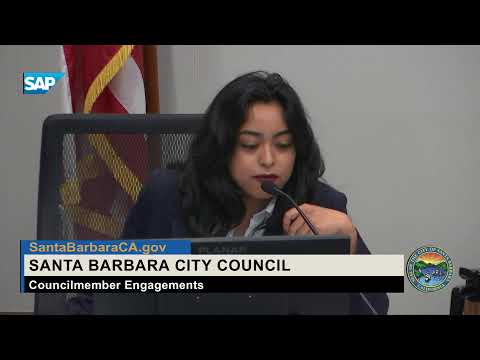
The Santa Barbara City Council voted unanimously on Feb. 4 to grant the County of Santa Barbara permission to include city territory in a proposed Santa Barbara County Wine Business Improvement District (Wine BID).
The council’s action allows county supervisors to complete a ballot and tabulation process that will determine whether wineries in the county will pay a 1% assessment on direct‑to‑consumer retail sales. Allison Laslett, chief executive officer of the Santa Barbara Vintners Association, told the council the assessment is intended to create a predictable, industry‑funded pool for marketing, public relations and events that would promote Santa Barbara County wines.
“The assessment is a 1% assessment on all direct‑to‑consumer sales,” Laslett said. “It will be on retail sales — any sales out of the wineries and tasting rooms that incur California sales tax.” She added that the assessment would not apply to wholesale sales or sales outside California, and that an outside firm would collect the assessment and take a 2% administrative fee before remitting funds to the Vintners Association.
Nut graf: Supporters said a countywide wine BID would provide the vintners association steady funding to market the region, drive visitation and multiply economic activity in hotels, restaurants and retail. They also stressed that the program is industry‑led — wineries petitioned for the district and the county will oversee the ballot process — and that the assessment is not a government tax on residents.
Dozens of vintners and tasting‑room operators spoke in favor at the council meeting, saying the marketing dollars are critical for small and family wineries. Multiple speakers said previous grant funding helped lift sales and visitation, but that grants were time‑limited and inconsistent. Allison Laslett said petitions supporting the district had backing from about 60% of the wine industry by economic weight, above the 50% threshold required by law.
Council questions focused on process and scope. Council Member Sneddon asked whether the council’s vote simply allows city ballots to be counted in the county tabulation; staff confirmed that is correct. Laslett and staff also explained that the county would hire HDL, a consulting firm that already collects similar assessments, to administer collections and auditing.
Action and vote: Council Member Sneddon moved to grant consent; Council Member Harmon seconded. The motion passed on a unanimous roll call vote.
Ending: The council’s consent does not create the assessment; it permits the county process to include city wineries. The county Board of Supervisors will tabulate ballots and determine whether the new district is established and the 1% assessment will begin to be collected.