Get Full Government Meeting Transcripts, Videos, & Alerts Forever!
Get email alerts on the Criminal‑justice‑reentry topic
No spam. Unsubscribe anytime.
Maryland bill would create tax debt relief program for people returning from prison
Summary
A proposed law, HB 634, would establish an income tax reconciliation program in the Comptroller’s Office to reduce tax penalties and help people who served 6–10 month to 10-year sentences resolve tax debt after release.
A bill before the Maryland House Ways and Means Committee would create an income tax reconciliation program to help justice‑involved individuals resolve tax liabilities that accumulated during incarceration.
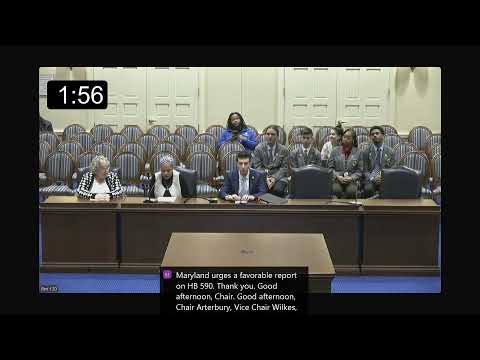
Delegate Eric Williams presented House Bill 634, saying the program would be “eligible for justice involved individuals who are sentenced to a term of imprisonment of at least 6 months but no more than 10 years.” He said the measure grew out of work with prison ministries and firsthand conversations with incarcerated people who returned to find tax problems they did not understand.
Comptroller Brooke Lierman testified in support, saying the Office of the Comptroller would administer the program. “Allowing escalating tax debt to persist after incarceration really constitutes additional punishment beyond their sentence and can significantly hinder their successful reintegration into society,” she told the committee. Lierman said the office can implement the program with existing resources because it already runs related relief programs, including the low‑income hardship program and an offer‑in‑compromise option.
Advocates also backed the bill. Teneya Moore, director of policy at the CASH Campaign of Maryland, said the measure would “address the unique financial challenges that justice involved individuals face, particularly in resolving tax debts accumulating during incarceration,” and added that waiving penalties “helps reduce economic disparities.” Dr. Carmen Johnson, who described herself as an impacted business owner, urged the committee to remember professionals, veterans and small business owners who return from prison with more complex tax and financial situations.
The bill’s sponsor and supporters said the program aims to remove a barrier to employment and housing by clearing or reconciling tax debt and by offering payment plans or penalty relief where appropriate. The Comptroller’s Office said it will operate the program through its modernized payment systems and the Office of the Taxpayer Advocate.
No formal vote occurred at the hearing; testimony concluded and the committee moved to the next agenda items.
Ending: Committee members received written testimony and asked no substantive procedural questions at the hearing’s close. The bill was left in committee for further consideration.