Get Full Government Meeting Transcripts, Videos, & Alerts Forever!
Get email alerts on the Labor Relations topic
No spam. Unsubscribe anytime.
Teachers urge board to press district negotiators on health-care cost sharing as salary agreements move forward
Summary
Union leaders and classroom teachers told the board that steep health-premium increases are leaving teachers with effective pay cuts; the board approved multiple salary agreements while teachers pressed for better benefit contributions.
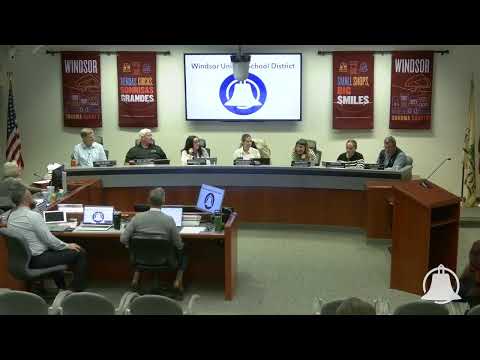
Multiple teachers and union leaders used the public-comment period at the Oct. 16 Windsor Unified board meeting to press the district for higher employer contributions to health insurance, saying skyrocketing premiums have eroded compensation even when salaries rise.
Teachers described personal impacts during public comment. Maggie Koshner, a teacher at Cali, said her family of four is on her district health plan and that a 197% increase in her healthcare premium over four years would leave her taking a pay cut if she moved from 80% to 100% assignment next year. “The weight of the increase should not be borne entirely on the shoulders of the school counselors and the teachers,” she said. Catherine Mirvalli, a fifth-grade teacher and WDEA executive board secretary, said recent benefit changes have forced her to reduce retirement contributions to cover out-of-pocket healthcare costs.
WDEA President Susanna Pfeffer said negotiations remain open: “In about 2 weeks' time, it will have been a year since WDEA opened negotiations, and here we are, still not negotiating,” she said, urging the district to return to bargaining. Teachers asked trustees to call district management to bring a “meaningful offer” to bargaining.
At the same meeting the board approved a set of negotiated salary adjustments for classified, confidential and CSEA-represented staff. The board approved a previously negotiated tentative agreement that provides a 3% salary increase retroactive to July 1, 2025, followed by additional adjustments of 2.2% and 1% in subsequent years (precise schedule approvals were filed as part of consent and action items). District staff said CSEA members elected to take additional compensation as base salary rather than increased employer-paid benefits so that the pay increases would also count toward retirement.
CSEA and confidential staff reported ratified agreements in public comment. A CSEA representative described a unanimous member vote and a total compensation increase of 7.22% including step and schedule movements. District staff told trustees the CSEA decision to receive pay in salary (rather than benefit enhancements) reflected member preferences and the smaller share of members who rely on district-paid benefits.
Trustees and staff acknowledged the tension between salary increases and rising premium costs. Board members signaled continued attention to bargaining outcomes and asked staff to ensure transparency in future negotiations and any cost-offset strategies.
No changes to the district’s health-plan employer contribution were approved at the meeting; trustees approved the salary agreements as presented and recorded those approvals in the consent and action items.