Get Full Government Meeting Transcripts, Videos, & Alerts Forever!
Get email alerts on the Animal Control Tnr topic
No spam. Unsubscribe anytime.
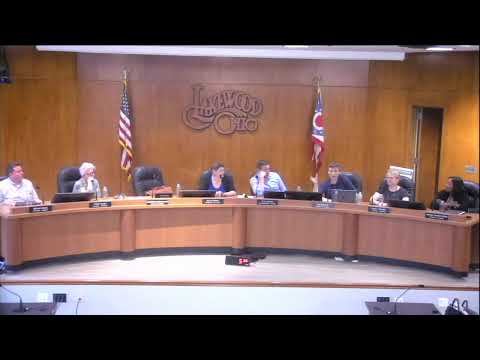
Lakewood public-safety panel agrees to law department draft changes to allow and regulate trap-neuter-return
Summary
After two years of volunteer and legal work, the public-safety committee instructed the law department to revise city animal code to protect community cat caregivers, include training and registration, and remove a director-approval requirement for TNR activities.
The Lakewood Public Safety Committee voted to direct the city law department to prepare ordinance language that would explicitly protect community cat caregivers, require accessible training, and create a registration step for caregivers while removing a specific requirement that each trap-neuter-return (TNR) participant be individually approved by the director of public safety.
Advocates and volunteers told the committee the current city code language and an administrative approval process have discouraged wider volunteer participation in TNR. "TNR can be successful in Lakewood today if we remove barriers to participation and allow residents and organizations to roll up their sleeves and do the work without red tape," said Megan Galeta of the Citizens Committee for Lakewood Animals and Shelter (CLAWS).
Under the changes the committee requested, the law department will draft protections that make clear certain caregiver activities '1 trapping for sterilization, vaccinating for rabies, return-to-field procedures, feeding and basic medical care '1 are not subject to nuisance or abandonment citations when performed as part of a registered TNR program. Committee members said those protections should be accompanied by a registration system so animal control staff know where active colonies are and who to contact when neighbors complain.
Officer John Crumley, Lakewood's animal control supervisor, said animal-control staff supports accessible training and a modest registration system but asked that short, per-trap recordkeeping be retained so the department can document property permission and respond if a homeowner later disputes a volunteer's presence. "If we get a complaint that a homeowner says we never gave them permission to be on our property or property was damaged, we have documentation to who we can go back to," Crumley said.
LeSwab (a legal/advocacy group that reviewed the code) had recommended removing the statutory line that required director approval of TNR participants. Committee members and counsel agreed that a registration process administered by the animal-control supervisor would provide the awareness the city needs and make director-level sign-off unnecessary.
Members of the committee said they want a program that is approachable to residents and scalable if volunteer interest grows. Several council members suggested a practical approach: provide a free, accessible online training video on the city website, maintain a list of registered community cat caregivers (and of nonprofit organizations that perform mass TNR events), and allow residents to borrow traps after a brief verification step.
The committee voted to instruct the law department to return a revised ordinance draft that (1) adds explicit protections for community cat caregivers; (2) provides for free and accessible training; (3) establishes a modest registration of caregivers and organizations; and (4) replaces the director-approval requirement with an animal-control-supervisor-managed process. The motion passed by voice vote.
What happens next: the law department will prepare and circulate a revised ordinance to the committee and interested stakeholders for further review before the committee considers formal legislation.