Cheyenne adopts MOU to seek impact assistance tied to Chugwater Energy Project after heated debate
Loading...
Summary
The council voted to join a memorandum of understanding (MOU) to be eligible for impact assistance funds related to the Chugwater Energy Project, despite vocal public concern and council debate over the sufficiency of the requested amount and distribution to neighboring counties.
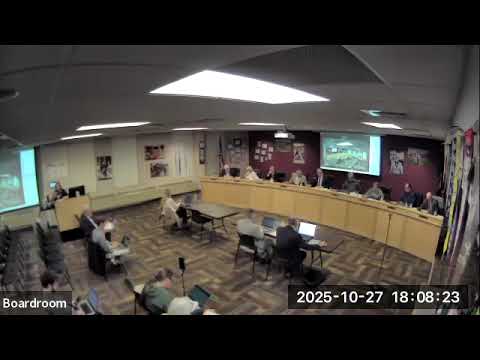
Cheyenne’s City Council voted Oct. 27 to adopt a memorandum of understanding that would allow the city to request a share of impact assistance funds if the Chugwater Energy Project receives an industrial siting council permit.
Speakers from Platte County and local organizations told the council they had concerns about the project’s scope, claimed inconsistencies in application materials and urged the city either to decline the MOU or to push for larger mitigation. Jill Kaufman of Platte County urged the council not to participate, saying the project is heavily subsidized and urging local governments to reject further subsidy agreements. Wendy Volk, a DDA board member who reviewed the project application, said she expects hundreds of workers could move through Southeast Wyoming during construction and said Cheyenne would be affected by housing, health care and emergency service demand.
Council discussion focused on methodology that produced the staff estimate of $464,827 for Cheyenne’s share of unmitigated impacts. Staff said they used figures from the project application and a per‑person cost‑of‑service number of $3,090 to estimate impacts arriving in Cheyenne; an additional $33,000 request was included for fire department equipment related to tower response. Several councilmembers warned the proposed amount would not meet actual demand: Doctor Aldridge and Doctor Rennie said the city will likely face greater costs; Mister Moody objected on grounds the bulk of impacts should go to counties hosting the project and voted against the MOU.
City Attorney John Brody and Chief of Staff Robin Brody explained the calculation and noted the city is one of roughly 30 entities eligible to apply for funds. They also said the MOU does not commit the city to provide water or sewer services to the project. Councilmembers who favored the MOU argued that leaving available mitigation on the table would mean other jurisdictions would receive the money and Cheyenne still would experience impacts.
The council approved the MOU by voice vote with one recorded no vote (Mister Moody).