Get Full Government Meeting Transcripts, Videos, & Alerts Forever!
Get email alerts on the Public Safety topic
No spam. Unsubscribe anytime.
Columbia Fire Company asks borough for $300,000 toward ladder truck as costs and volunteer staffing rise
Summary
The Columbia Fire Company asked the borough for $300,000 to support purchase of a ladder truck, citing a purchase price of about $2.2 million and a 2029 delivery date. Fire officials described payment timing options, grant uncertainties and the volunteer staffing implications of different ladder types.
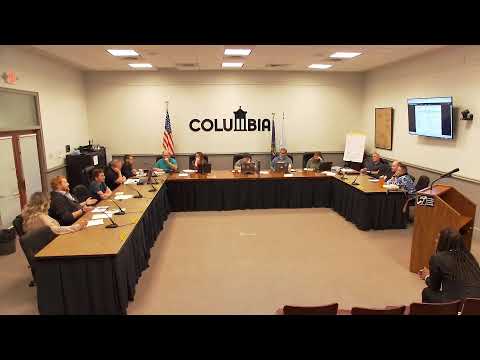
The Columbia Fire Company told Columbia Borough Council on Oct. 7 that it needs $300,000 from the borough to help pay for a new ladder truck, outlining timing and financing options and warning of rising replacement costs for volunteer departments.
Jared, a representative of the Columbia Fire Company, said the purchase price for the ladder truck is about $2.2 million and that the truck will not arrive until 2029. “We do not have to pay a dime on this fire truck until 2029 when it arrives,” Jared said, adding that the department faces roughly $200,000 a year over 15 years if it waits to start payments then.
The company told council it can reduce the total price by paying down some of the purchase cost before delivery; early payments could lower the $2.2 million price to about $1.8 million through discounts, Jared said. The department also described grant prospects and limits: a Local Share Account (LSA) grant could take months to award and would not reimburse expenses the company began paying before the grant award.
Council members and fire officials discussed ladder-truck configurations. Jared said the department is seeking a tractor-drawn aerial (a “tiller”) to improve maneuverability on the borough’s narrow streets and described tradeoffs: a tiller typically requires two operators and is more expensive than a straight-stick ladder but can reach places a straight ladder cannot. “The benefits of the tiller exceed any sort of limitations,” Jared said, citing tighter turns and routes in Columbia.
Fire officials said the department’s current apparatus payments and anticipated new payments will raise the organization’s annual apparatus budget substantially. The company asked that the borough set a separate appropriation for apparatus funding so annual operating support and apparatus payments are tracked distinctly.
Officials discussed potential funding pathways: (1) the borough could provide cash to reduce the financed amount and secure discounts; (2) the fire company could apply for state or federal grants such as AFG (Assistance to Firefighters Grants) or an LSA award; or (3) the department could finance the purchase and ask the borough to help cover annual payments. Jared said paying some funds early would reduce long-term interest costs and result in smaller overlapping payments in future years.
Council members pressed on timelines and contingency planning. Jared said the department expects existing engine and rescue payments to be retired by 2029 and hoped to bank apparatus funds for the next replacement cycle, rather than ask for further annual increases. He also stressed the department’s reliance on volunteer staffing and the need to train personnel for tiller operations.
The request will be considered during the borough’s budget process next week; council did not vote on the appropriation at the workshop.