Get Full Government Meeting Transcripts, Videos, & Alerts Forever!
Get email alerts on the Animal Welfare topic
No spam. Unsubscribe anytime.
Commonwealth—s Attorney and animal-control officials urge Smyth County to create searchable animal-cruelty registry
Summary
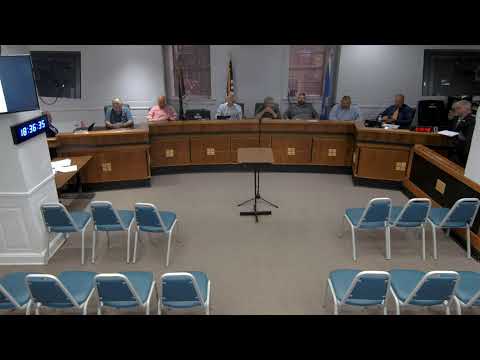
Commonwealth—s Attorney Bucky Blevins and local animal-control officials asked the Smyth County Board of Supervisors to consider creating a publicly searchable animal-cruelty registry that would list people convicted of certain animal-cruelty offenses.
Commonwealth—s Attorney Bucky Blevins on behalf of the Commonwealth—s Office asked the Smyth County Board of Supervisors to consider creating a public animal-cruelty registry that would list people convicted of certain animal-cruelty offenses.
"Anyone who's been convicted of the felony offense of animal cruelty can be placed on this public searchable registry, and they will remain there for a period of at least 15 years," Blevins told the board, citing a statutory provision he said authorizes localities to adopt such a registry.
Blevins introduced Animal Control Chief Chris Bennett and defense attorney Stephanie Pease to outline practical and legal considerations. Bennett said the animal-control office and his staff supported the concept, noted that animal-cruelty cases occur across the county and volunteered county IT resources to host a searchable database if the board adopts an ordinance.
"I volunteered our IT department with approval of you all to create the registry, and then we would provide the names to be loaded on that from my office once the conviction was there," Bennett said.
Pease asked the board to consider including some class 1 misdemeanors in the registry because, she said, felony charges are sometimes reduced in court and limiting the registry to felony convictions would exclude many cases she thought should be listed.
Board members raised questions about retroactivity, scope and impacts on farmers. Blevins said the statute would allow localities to include convictions going back 15 years; supervisors also discussed distinguishing livestock concerns (where agricultural practices and law differ) from companion-animal cruelty.
Rather than adopting an ordinance immediately, the board directed staff to draft a local ordinance and referred the draft to the Ordinance Committee for legal review, refinement and a public hearing. No final ordinance vote took place at the meeting.
The board and presenters also discussed program costs, funding (Blevins suggested court-ordered fees could help fund the registry), annual address verification by animal control and the potential for the registry to support law enforcement investigations and prevention work.
Next steps: staff will refine the proposed ordinance with guidance from the Commonwealth—s Attorney and County Attorney and present it to the Ordinance Committee, which will schedule any required public hearing before the board considers adoption.