Get Full Government Meeting Transcripts, Videos, & Alerts Forever!
Plan Commission reviews Plan Spokane 2046 EIS alternatives, seeks clearer data and faster path to preferred option
Summary
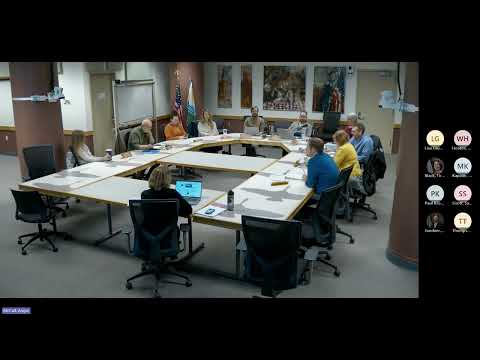
The Spokane Plan Commission on Oct. 22 reviewed emerging findings from the environmental impact statement (EIS) work for Plan Spokane 2046 and began a parallel conversation about rewriting the city’s land‑use framework to make zoning more flexible.
The Spokane Plan Commission on Oct. 22 reviewed emerging findings from the environmental impact statement (EIS) work for Plan Spokane 2046 and began a parallel conversation about rewriting the land-use framework that will guide zoning and future development.
Consultants from Burke and city planning staff told commissioners the draft EIS is in preparation but delayed while transportation-modeling issues were resolved; staff now expect a Dec. 10 release and said public engagement on the draft will be concentrated in January to avoid the December holidays. “We are still in the preparing the draft EIS stage,” consultant Lisa Greeter said, and the team expects to publish a public draft on Dec. 10.
The EIS will evaluate a no-action alternative and at least two action alternatives. The no-action alternative (alternative 1) uses the regional SRTC model as a baseline and, according to presenters, reflects a roughly 65% single-family / 35% multifamily split in housing units on the ground as of 2022. Alternative 2 (described as “distributed and balanced” or a transit-oriented development approach) shifts more multifamily and mixed-use growth to frequent-transit corridors, Indian Trail and southern parts of the city to close gaps in lower-cost housing stock. Alternative 3 concentrates more growth in Center City and regional hubs and pairs that land-use pattern with a higher job-growth projection.
Consultants said those three options were chosen to provide bookend scenarios for environmental review and infrastructure planning. “We looked at a variety of…
Already have an account? Log in
Subscribe to keep reading
Unlock the rest of this article — and every article on Citizen Portal.
- Unlimited articles
- AI-powered breakdowns of topics, speakers, decisions, and budgets
- Instant alerts when your location has a new meeting
- Follow topics and more locations
- 1,000 AI Insights / month, plus AI Chat