Get Full Government Meeting Transcripts, Videos, & Alerts Forever!
Get email alerts on the Lighting Nuisance topic
No spam. Unsubscribe anytime.
Petitioners seek town bylaw to curb residential light trespass as LEDs proliferate
Summary
A citizen petition would add a residential nuisance bylaw to regulate light trespass and glare (illuminance limits, color temperature and shielding), accompanied by an enforcement path for complaints and corrective periods. Petitioners said LED adoption has increased intrusive lighting; planning and building staff worked with petitioners on the
A petition seeking a general‑bylaw regulation of residential light trespass and glare was presented to the Select Board, with petitioners and planning staff saying the goal is to give residents a clear, enforceable tool to resolve disruptive lighting without waiting for new zoning provisions.
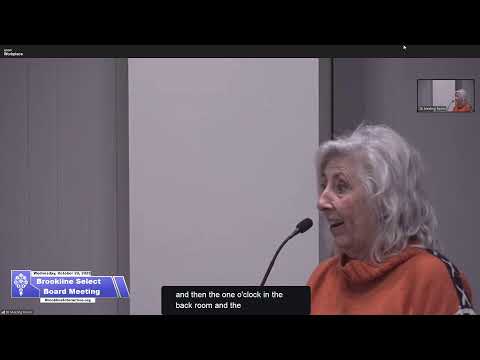
Petitioners told the board that advances in LED technology and inexpensive high color‑temperature bulbs have caused more lights to spill onto neighboring properties. "Too much light can cause sleep disruption, migraines and other health impacts," one petitioner said, and neighbors described examples where backyard or commercial lights flooded windows.
The draft bylaw would apply to "lighting originating on private property in solely residential use" and would set maximum illumination levels, limits on correlated color temperature (to address blue‑rich white light), and required cut‑off or shielding where fixtures face neighboring windows. The bylaw retains a complaint‑driven enforcement model; residents would be asked to first discuss the matter with their neighbor and, if unresolved, the building department could issue a notice to correct with a two‑month cure period and interim extensions for good‑faith efforts.
Planning and building staff worked with petitioners on revisions and told the board they believe the proposed standards are administrable; petitioners emphasized the bylaw would not apply to lighting properly installed to light sidewalks or other legitimate wayside uses.
Board discussion focused on coverage limits (residential vs. commercial districts), the number of existing fixtures that could immediately fall under the new standard, and enforcement capacity. Several board members asked for clarified definitions and an implementation plan but expressed willingness to advance the concept.
Action: The Select Board did not vote on the petition at the Oct. 28 meeting; members asked petitioners and planning to finalize language on district applicability, enforcement thresholds, and an outreach plan before the next meeting.
Ending: Petitioners said they will refine the language with planning staff and return with clarified definitions and an implementation memo.