Get Full Government Meeting Transcripts, Videos, & Alerts Forever!
Get email alerts on the Zoning Well Drilling topic
No spam. Unsubscribe anytime.
Planning Commission recommends moving well‑drilling and substations into Public Utility zone
Summary
After a public hearing with no public comments, the Highland City Planning Commission recommended approval of code amendments to remove well drilling as a conditional use in residential zones and clarify that broader utility structures belong in a Public Utility zone; staff will rezone city well sites at a later date and the amendment formalizes a
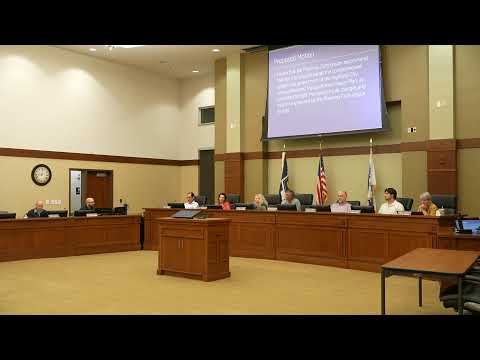
The Highland City Planning Commission held a public hearing and recommended that the City Council approve amendments to Highland City code that remove well drilling as a conditional use in residential zones and instead locate above‑ground utility facilities and other large utility structures (including substations and wells that serve areas beyond a single parcel) within a Public Utility zone.
Rob, the city staff presenter, told commissioners the change is part of an ongoing three‑year cleanup of land‑use code and that the public utility supplemental regulations already intend to confine above‑ground culinary, irrigation, reservoir and private utility systems to the Public Utility zone. Rob said lot‑specific wells that serve only a single parcel would remain permitted so long as they do not serve off‑site properties. He also noted Rocky Mountain Power substations and other large utility facilities are already intended to be part of that zone and that staff will pursue rezoning of city‑owned well sites later so future modifications fall under uniform standards. Staff mailed notice of the code amendment on Oct. 9 and reported no written public comments were received prior to the hearing.
A commissioner moved to recommend approval; another commissioner seconded the motion and the commission adopted the recommendation by unanimous roll call. The commission’s recommendation goes to the Highland City Council for final action.