
Economic‑mobility and entrepreneurship offerings at FECs face funding cliff as Doris Duke grants end
Get AI-powered insights, summaries, and transcripts
Subscribe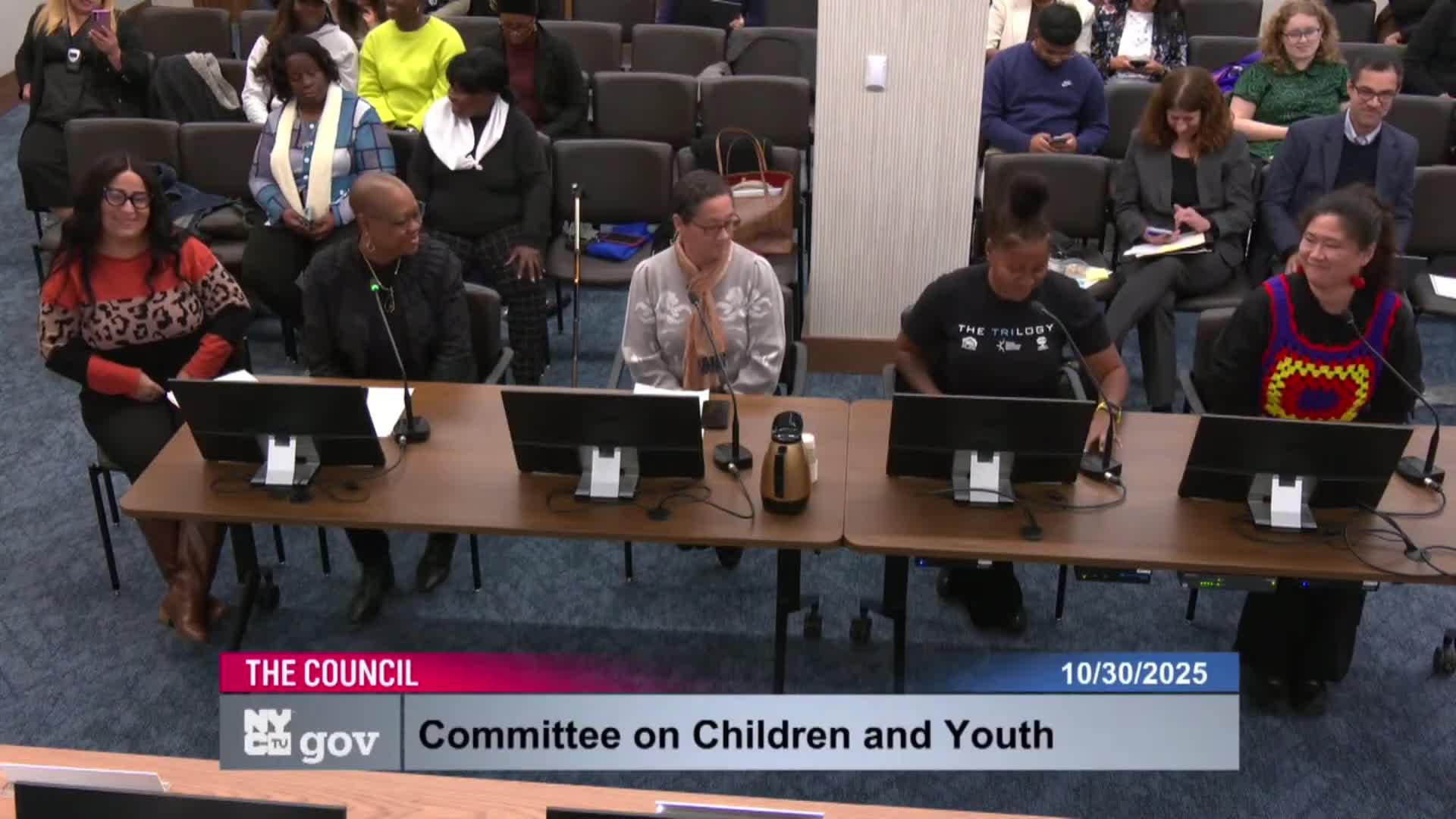
Summary
Several FEC directors described entrepreneurship, small‑business and microgrant programs initiated with philanthropic support. Multiple providers warned that a Doris Duke Foundation grant that financed economic mobility work to three centers will expire Dec. 31, and urged the city to sustain microgrants and coaching.
Directors and community leaders told the council that economic‑mobility and entrepreneurship offerings — from crochet circles that led to small business experiments, to microgrants and MWBE certification support — have been a high‑value part of several Family Enrichment Centers but now face an uncertain funding future.
Nysha Solomon, director of Good Shepherd’s FEC (The Crib), described Doris Duke Foundation funding that enabled economic mobility work: local microgrants, a community success coach, and outreach to more than 150 businesses. “This funding allowed us to engage with 150 businesses and support the launch of 3 nonprofits,” Solomon said, and she warned the council that Doris Duke support will sunset on Dec. 31 unless replaced.
Other centers gave examples: a Rockaway FEC partnered with SUNY’s Attain Lab to provide free credentialing and self‑paced workforce courses; the Yard partnered with Workforce1 for financial‑empowerment offerings; Sunrise and Brooklyn sites ran small‑business workshops and crochet groups that built intergenerational skills and pathways to microbusinesses. FEC directors said these offerings were often among the highest‑attended and most appreciated offerings because they combine concrete supports with pathways to work and income.
Providers asked the city to: integrate economic mobility as a core protective factor in the FEC model and budget, baseline funding to replace expiring grants, and allow flexible personnel funding so small organizations can hire stable bilingual staff rather than splitting roles into multiple part‑time positions. ACS said it partners on collective fundraising and noted the city reimburses indirect costs at the indirect cost rate and added COLA adjustments, but directors said current per‑site budgets make maintaining these offerings difficult without additional philanthropic or municipal support.
The council and ACS agreed to consider these requests during budget deliberations and to listen to provider testimony during the coming budget cycle.