Get Full Government Meeting Transcripts, Videos, & Alerts Forever!
Get email alerts on the Dpw Parks Budget topic
No spam. Unsubscribe anytime.
Jamestown reviews Public Works and Parks budgets; staff flag salt, culvert match and multi‑million equipment shortfall
Summary
Jamestown city staff presented proposed 2026 budgets for Public Works and Parks, citing large increases in salt and utility costs, a $1.5 million grant toward the Mineral Brook Culvert with an estimated city match of roughly $350,000, and a multi‑million dollar capital equipment backlog.
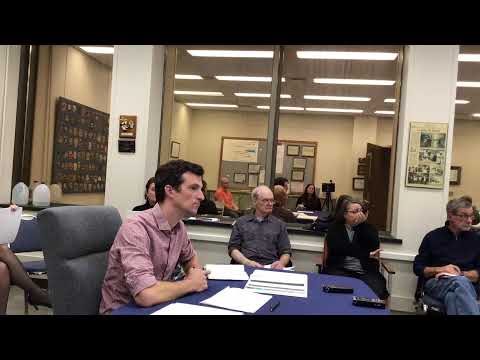
Jamestown city staff on Nov. 3 reviewed proposed 2026 budgets for the Department of Public Works and the Parks Department, outlining account‑level changes, rising utility and parts prices, and a multi‑year equipment replacement need.
Mark Reitzer, presenting the budgets, said staffing levels in several accounts are largely unchanged but noted one engineering vacancy: “We're still currently looking for, 1 more engineer to replace, Glenn, who moved out of the engineering department, at the September.” Reitzer also told the panel the department will remove plotter costs from the engineering account after the machine failed: “our plotter has, has failed and can't be replaced.”
Why it matters: the presentation grouped routine maintenance costs (sidewalks, ramps, pipe repairs) with larger capital needs (HVAC controls and vehicles). Several line items rose because of market pressures — particularly fuel, parts and chemicals — and because staff reallocated some utility charges between accounts.
Most notable cost drivers
Salt and winter operations: Snow and ice control is one of the largest operational changes. Reitzer said the snow-and-ice control account rose from about $800,000 to just over $1 million to reflect a return to a more typical winter. He provided a specific price change for de‑icing salt: “the price of our salt has increased 41% from $49 a ton to $69 a ton.” Reitzer explained the purchasing rules the city uses: the city must buy 50% of requested tonnage and may opt to buy up to 130% depending on the winter.
Fuel, parts and aging equipment: Fleet staff have seen higher fuel use after a “more of a normal winter” and increased parts costs as equipment ages. Reitzer said equipment repair parts and tires for large equipment have risen and that fleet work has expanded beyond Public Works (fire, police, BPU), leading to more pass‑through labor charges to other departments.
Parks operations and programming: Parks supervisor Dan Stone and Reitzer reviewed parks accounts, noting utilities increases and flat base spending on horticulture. Flags and banners spent about $9,577 this year versus a $10,000 budget; Reitzer said the veterans committee donated to match prior service levels. The parks budget added $4,000 for Christmas decoration replacements downtown and plans continued funding for tree maintenance and seasonal equipment rotation.
Stadium and recreation: Winter Park will again host a Babe Ruth World Series–year schedule, Reitzer said, requiring additional manpower and replacement of worn items (dugout mats and field plate parts). The city leases Winter Park to a local soccer group; the club covers many cosmetic repairs and helps with utilities and small capital through grants, Reitzer said.
Storm sewers and culvert match: The storm sewer account includes routine materials and a preventative slip‑lining program to rehabilitate rusted corrugated metal pipe. Reitzer said the city received a $1,500,000 grant for the Mineral Brook Culvert (off Water Street) and that project cost estimates are about $1,800,000, leaving the city responsible for the difference (approximately $350,000 in the budget).
Capital equipment, HVAC controls and replacement backlog: Staff distributed a capital inventory they characterized as roughly $7.6 million in replacement value, with about $5 million past its recommended replacement schedule. Parks equipment is not eligible for CHIPs funds, Reitzer said. He described a proposed HVAC controls upgrade for the DPW and Parks buildings with a vendor proposal of about $330,000 to be paid over two fiscal years.
Other operational notes
• Leaf collection begins Monday, Nov. 3; routes start on the south side at Foot Ave and take roughly 2–2.5 weeks to loop the city depending on weather.
• Annual wood‑grinding for parks (approximately $20,000) is a recurring expense that reduces the miscellaneous materials balance late in the year.
• Tree work: staff reported roughly 300 large tree removals annually and about 3,000 trims per year, and said in‑house, union crews perform most work rather than contracting it.
• Procurement and lead times: staff cautioned that new vehicles can have long lead times (12–18 months) and that partial upfront payments are sometimes required to secure production slots.
What remains unresolved: staff said some utility reallocations across accounts need internal reconciliation, engineering permits for channel maintenance are close but funding remains to be secured, and the capital list presents choices for prioritization if contingency funding or mayoral allocations (an item of $120,000 for parks equipment was mentioned) remain available.
Quotes (from the presentation)
“There's a lot to cover, so I'm gonna kinda just move. If anybody wants to stop and ask any questions, please feel free to interrupt me.” — Mark Reitzer
“Our plotter has, has failed and can't be replaced.” — Mark Reitzer
“The price of our salt has increased 41% from $49 a ton to $69 a ton.” — Mark Reitzer
“...we've been fortunate enough to be able to purchase some equipment for the street department with CHIPs money, but parks cannot do that.” — Mark Reitzer
Ending: Staff recommended prioritizing capital replacements and confirmed several near‑term operational dates (leaf collection start and stadium schedules). Funding choices and permit outcomes (for channel work and culvert repairs) will determine the final scope of projects included in the adopted 2026 budget.