Lifetime Citizen Portal Access — AI Briefings, Alerts & Unlimited Follows
U.N. rights office and Marshall Islands urge Pacific parliaments to back “nuclear justice” measures
Loading...
Summary
Diego Valadares Vasconcelos Nieto, OHCHR Micronesia human‑rights officer, asked Pacific parliaments at the APIL General Assembly to use U.N. review mechanisms and to form permanent parliamentary human‑rights committees to strengthen rights linked to development and the environment.
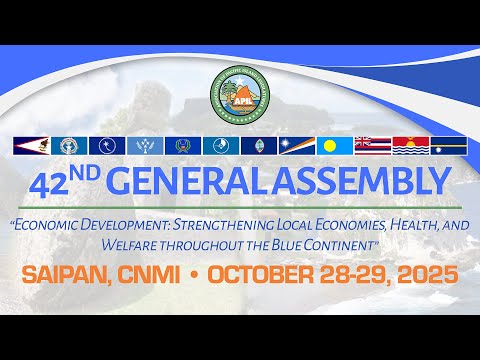
Diego Valadares Vasconcelos Nieto, the U.N. Office of the High Commissioner for Human Rights (OHCHR) Micronesia human‑rights officer, told Pacific legislators at the Association of Pacific Island Legislatures General Assembly that parliaments are central to protecting rights linked to development, the environment and public participation.
"The right to development is defined by the declaration of the right to development as an inalienable human right," Vasconcelos said, adding that economic measures must be connected to social, cultural and political rights so benefits reach remote and vulnerable communities.
Vasconcelos outlined three U.N. mechanisms legislators can use: the Universal Periodic Review, U.N. treaty bodies and the Human Rights Council’s special procedures. He urged members to strengthen access to information, public participation and remedies on environmental matters and suggested APIL consider regional instruments for environmental participation and remedies.
Senator David Nittok, the Marshall Islands’ special presidential envoy on nuclear legacy and human rights, said decades of U.S. atmospheric nuclear testing continue to cause cancer, displacement and environmental harm. He described a recently introduced national human‑rights commission bill in Majuro and asked APIL members to adopt parliamentary resolutions supporting the Republic of the Marshall Islands’ change‑of‑circumstances petition to the U.S. Congress and to seek technical assistance for assessment and remediation.
"This is not a call for sympathy but for justice. For renewed accountability, health equity, and environmental repair," Nittok said, and he urged APIL members to establish or strengthen independent human‑rights institutions in their jurisdictions.
Delegates responded with expressions of solidarity. Speakers from Pohnpei and other FSM states backed technical assistance and supported board‑level APIL resolutions referenced by Nittok that call for a professional assessment of downwind impacts from U.S. testing and unified regional support for RMI’s petition.
OHCHR staff and RMI officials said the U.N. office can provide capacity building, technical visits and follow‑up through treaty‑monitoring and special‑rapporteur mechanisms, and they urged legislatures to use parliamentary committees to translate international recommendations into national law and budget priorities.
Looking ahead, the U.N. office asked member legislatures to consider three measures: create permanent parliamentary human‑rights committees; review and, where appropriate, ratify international human‑rights treaties; and expand legal protections that secure public access to environmental information, participation and remedies. RMI officials said they will press for a Micronesia‑wide network of human‑rights institutions and technical cooperation to address nuclear‑legacy, climate and displacement issues.