Get Full Government Meeting Transcripts, Videos, & Alerts Forever!
Get email alerts on the School Discipline topic
No spam. Unsubscribe anytime.
Sioux Falls students say new district phone rule boosted hallway talk and classroom focus, but raised logistics and equity concerns
Summary
Washington High School students told district communicators the districtwide policy limiting phone use to lunch has increased social interaction and, for many, classroom focus. Students also raised concerns about enforcement, communicating with coaches, access during AP study periods, and accommodations for medical needs.
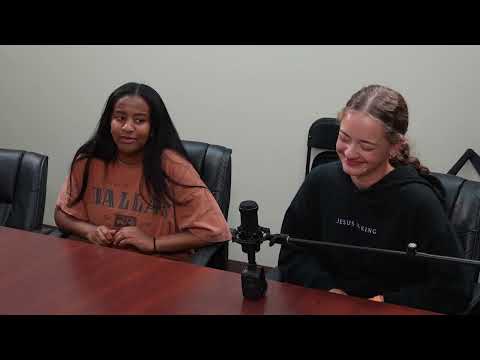
WASHINGTON, S.D. — Washington High School students interviewed by Sioux Falls School District communications staff said a new districtwide policy that limits high school studentsto using phones only during lunch has made hallways more social and helped some students focus in class, but has created practical and equity challenges for others.
"I was very unhappy with it because I found out midsummer," said a Washington High School student, describing initial resistance when the change was announced. Several students said starting the rule at the beginning of the school year softened adoption: signs, a video and teacher reminders made the expectation clear from day one.
Students gave examples of behavioral changes they saw. "I vividly remember having, like, 10 people say hi to me" in a hallway after the policy began, one student said, arguing the change prompted more in-person interactions. Another student said the policy reduced the urge to "constantly look down at my backpack" to check messages, which helped focus.
But students also identified recurring problems. Athletes and activity participants said the ban delayed routine communications from coaches about cancellations or schedule changes, which previously arrived by text during the school day. One student said that can make it "really hard" to know whether to go to practices or to fields on short notice.
Students described mixed enforcement in classrooms and hallways. "It really depends on what teacher you have," one student said, noting that first-time violations typically result in a warning and later offenses in an office referral. Several students said they had seen only one referral in about a month and a half of school, while others reported tensions when teachers strictly applied the rule.
Students urged more flexibility for particular circumstances. Suggestions included permitting personal devices during AP study periods (students noted they already have stickers identifying AP study), creating clearer accommodations for medical needs, and allowing limited phone use for seniors managing college applications and FAFSA communications. Students also raised equity concerns about those without cars or warm places to wait during free periods.
"If it's given as a privilegeand if you obviously get a referral in classthen they take that ability away from you," one senior said when asked whether limited flexibility would still be followed.
District staff previously met with students at a student council meeting to gather feedback, and communicators conducted this interview to follow up on reported outcomes. Students said the districtwide nature of the rule reduced fear of missing out because peers at Jefferson, Lincoln and Roosevelt are subject to the same rule.
Students described specific operational problems when school internet or district systems are down: some course materials and labs are only accessible online, and students said phones were their fallback for accessing Canvas or email when Chromebooks or networks failed.
Taken together, students said the policy has produced both gains and tradeoffs. Several said the changes "have allowed me to talk to people so much more," while others described the policy as "50/50" and asked administrators for limited, clearly defined exceptions.
Washington High students said they would tell district leaders to consider narrow adjustments, such as a verified AP-study sticker exemption, clearer medical and activity-related accommodations, and contingency plans for technology outages. The district did not make further commitments during the interview.