Get Full Government Meeting Transcripts, Videos, & Alerts Forever!
Get email alerts on the Board Ethics topic
No spam. Unsubscribe anytime.
Director Atkinson says Title IX work is personal; colleagues raise point of order over off‑agenda advocacy
Summary
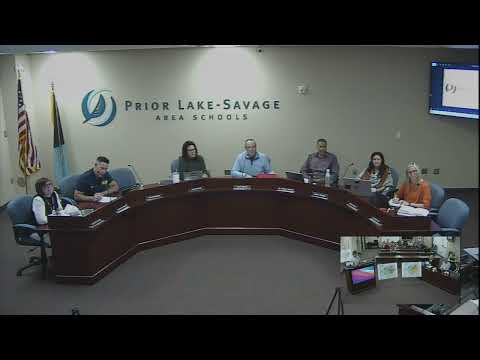
At the Oct. 27 Prior Lake‑Savage Area Schools study session, Director Atkinson said her work "in support of title 9" and the related TenderLine project are projects she undertakes as an individual board member and apologized if earlier remarks caused confusion.
At the Oct. 27 study session of the Prior Lake‑Savage Area Schools Board of Education, Director Atkinson read a prepared statement clarifying that "the work that I'm doing in support of title 9 is a project that I'm working on as an individual board member," and apologized if her earlier board report created confusion.
The remark prompted a point of order from Director Olstead, who said the matter "was not a public agenda item" and asked whether the director should have permission to comment at the meeting. Olstead and other directors also said they were concerned that several board members had signed a public letter or participated in a statewide campaign without prior notice to the full board, and that such coordinated action by four or more directors could constitute a quorum and raise open‑meeting law issues.
Why it matters: Board members may conduct some work individually, but formal advocacy or joint communications about district policy or litigation risk raising governance and legal questions if a majority of directors act or deliberate outside a public meeting. Directors said they wanted assurances that future external advocacy would be shared in advance and handled in a manner consistent with the board handbook and open‑meeting rules.
Atkinson told the board she would accept questions and contact requests about the TenderLine project directly: "If anyone has any questions or concerns surrounding the TenderLine project, please feel free to reach out to me directly." Multiple directors said that an apology was appropriate but that the matter should have been stopped earlier in the meeting because it was not on the agenda.
Board action and next steps: The board did not take any formal vote on the matter during the study session. Directors asked that handbook language and expectations about off‑agenda communications and external advocacy be reviewed as the board proceeds with a broader handbook revision. Administration and board leadership said they would follow up with clarification on process and, if necessary, with counsel about open‑meeting requirements.
Context and constraints: Directors emphasized they were not taking a position in this session on the underlying policy positions that individual members may hold. The discussion focused on process: whether board‑level work had been conducted outside public sessions and whether distribution of the letter and associated materials had been shared with all directors. The board also noted that the handbook and board policy would be part of upcoming governance discussions.
Looking ahead: Directors asked administration to include handbook language and any recommended procedural clarifications in a future agenda so the full board can consider whether additional guidance or corrective steps are needed.