
Legislators pitch data centers for Orland Park while outlining rules on power, water and emissions
Get AI-powered insights, summaries, and transcripts
Sign Up Free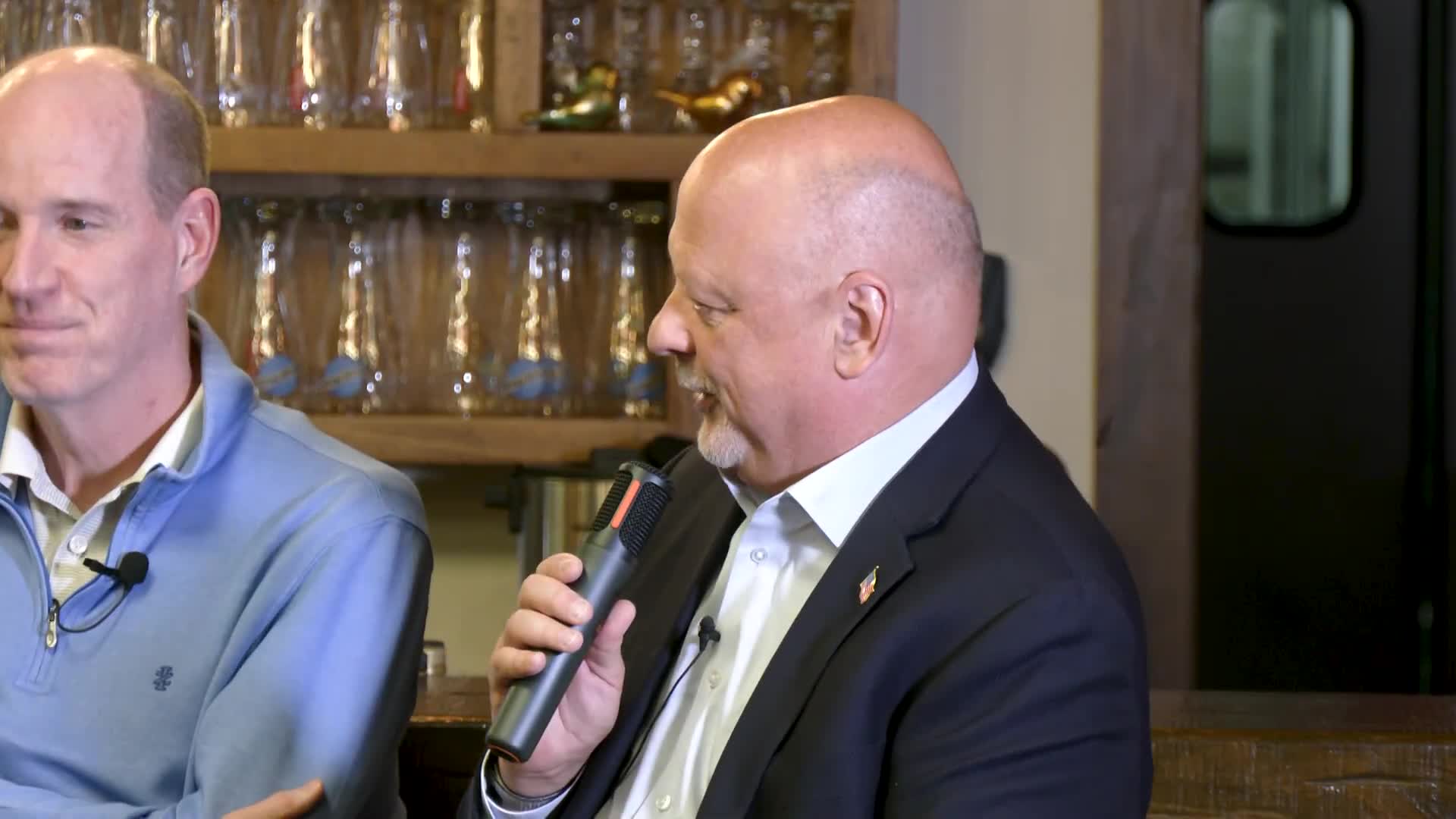
Summary
State legislators told Orland Park residents a data center could bring jobs and property tax revenue but warned about electricity and water use. They described draft state measures to require new generation or offsets, higher contributions for grid impacts, water‑use restrictions and curbs on diesel backup use during peak events.
State Senator Bill Cunningham and State Representative Mary Gill told residents at an Orland Park forum that data centers can provide construction jobs and substantial property tax revenue but present environmental and grid reliability challenges that the General Assembly is weighing.
"This learning that, is done at data centers does consume a lot of electricity," Cunningham said, describing the energy demands of artificial‑intelligence training and large server farms. He said data centers also can require large amounts of water for cooling and noted both impacts are central to current legislative discussions.
Policy proposals discussed: Cunningham described several approaches under consideration in Springfield to limit local impacts while preserving economic benefits. Among those, he said, legislators want data centers to "bring their own generation, to the grid" — for example by contracting to add new renewable generation — or otherwise pay a higher share on energy bills to offset added demand. He also said the state is considering "restrictions on water usage" and rules to require recycling of cooling water. On backup generation, he cited problems seen in other states and said Illinois is moving to prohibit data centers from "peak shaving" the grid by switching to diesel during high‑price periods and that existing diesel engines would face grandfathering and shutoff requirements.
Workforce and higher education: Speakers highlighted that community colleges can adapt training for new technology jobs. "Moraine Valley is absolutely considered the cream of the crop among community colleges in Illinois," Cunningham said, pointing to community colleges’ capacity to develop curriculum for local employer needs — a potential pipeline for AI‑related and data center construction jobs.
Construction timeline and neighborhood effects: When asked how long a data center takes to build, Cunningham said once site and grid connections are secured "once they break ground to the time it's open for business is less than a year." He also said most neighbors would not notice day‑to‑day operations (data centers resemble warehouses), but that diesel backup generators during grid events can be a local nuisance and public‑health concern — an issue the legislature is proposing to address.
What’s next: Cunningham said lawmakers plan to take up specific data center rules in the coming legislative session and that Orland Park officials and residents should expect outreach and public hearings as bills are drafted.