
Board tables 2026–27 calendar after debate over increase in late-start mornings
Get AI-powered insights, summaries, and transcripts
Subscribe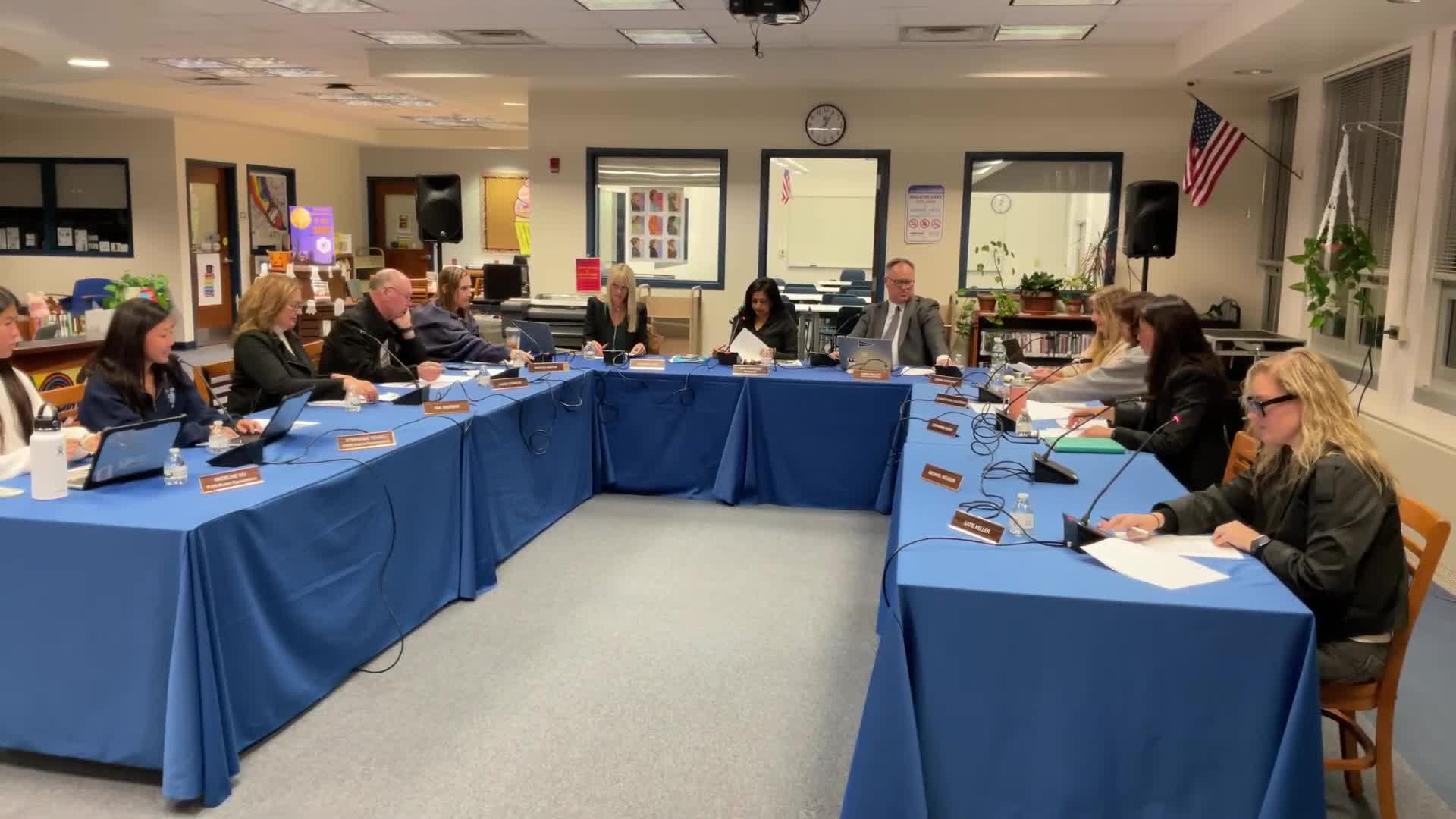
Summary
The Pascack Valley Regional High School District Board of Education voted Oct. 27 to table approval of the proposed 2026–27 school calendar after several members said two added late-start mornings would cumulatively reduce classroom instructional time.
The Pascack Valley Regional High School District Board of Education voted Oct. 27 to table approval of the proposed 2026–27 school calendar after several members said two added late-start mornings would cumulatively reduce classroom instructional time.
Board members debated adding two delayed-start mornings on Oct. 5 and Jan. 11 that the administration proposed to create time for professional development and for teachers to complete tasks such as course recommendations. "When they do that, the kids still have lunch. So they come into school, and from what my daughter had explained to me, they're very, very shortened classes," said Board Member Kristen Martin, who pressed for more information about how the additional sessions would be used. Other members described the same concern in different terms, saying the short class periods often produce little instructional activity and that certain departments bear a disproportionate share of extra work, such as writing college recommendation letters.
Miss Kirk, the presiding officer, and several board members said the governance committee had discussed the change but that the full board needed clearer objectives and documentation from curriculum staff. Board members asked for Doctor Mark Russo, the district's curriculum director, to detail the specific objectives and activities that would occupy the added late-start mornings before the board approves a calendar with more PD sessions.
After discussion, a motion to table the calendar was made and seconded; the board approved the motion by roll call. The tabling removes the calendar from the consent agenda pending further explanation of the intended uses of the added professional-development time and its instructional impact.
The board left the remaining policy consent items on the agenda to be voted on separately; members moved on to approve policy consent items 2–5 and the other consent bundles later in the meeting.
What was debated: whether two additional delayed-start mornings (proposed Oct. 5 and Jan. 11) are justified by the instructional benefits of the professional-development time and whether the aggregate number (proposed to rise from seven to nine) shortens class periods enough to affect student learning. Board members asked for a written description of the PD objectives and a breakdown showing which staff or departments would be directly affected.
Next steps: Board members asked the superintendent's office and the curriculum director to provide a detailed description of the planned professional-development activities and their instructional purpose; the calendar will return to the board for action after that report.
Votes at a glance (calendar item): Motion to table the 2026–27 school calendar — Approved by roll call (see actions).