Get Full Government Meeting Transcripts, Videos, & Alerts Forever!
Get email alerts on the Homelessness Outreach topic
No spam. Unsubscribe anytime.
Kenosha Welcome Center seeks part‑time bilingual outreach coordinator to expand coordinated entry and low‑income referrals
Summary
Kenosha Welcome Center requested CDBG funding to hire a 20‑hour‑per‑week bilingual outreach coordinator to strengthen homeless diversion, coordinated entry and low‑income referrals; the committee probed client counts, past funding interruptions, financial statements and program duplication with existing providers.
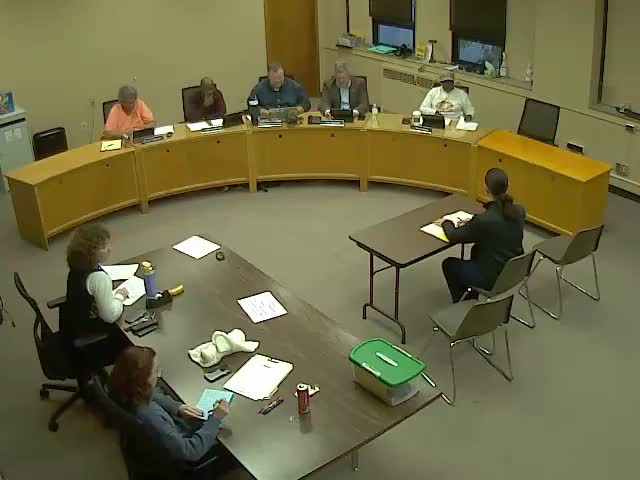
Mike Burial, associate director of the Kenosha Welcome Center, presented a request for CDBG support to fund a part‑time bilingual outreach coordinator to expand homeless outreach and low‑income referrals. Burial said the role would connect pantry guests and other visitors with housing, legal, utility and benefit resources and integrate coordinated entry functions into the pantry’s operations.
Burial estimated the position would serve roughly 540 clients (about 40 homeless individuals and ~500 low‑income clients) and described an interrupted funding history: the position had previously carried two years of funding (~$50,000) that became uncertain after an operational transfer with a faith partner. He said the pantry currently serves about 200 families per week and had to rebuild operations after the prior funding disruption.
Committee members asked about duplication of services, stewardship of grant dollars (including a negative line on the provided balance sheet that the applicant attributed to legal and bank restrictions following the transition), the proposed 81% CDBG share of the program budget and contingency plans if CDBG funds are not secured. Burial said coordinated entry work would continue regardless and that the low‑income expansion would be the most likely element to be reduced if grant funding is not available.
The committee requested clearer financial documentation and evidence of the program’s distinct role from other community providers before allocation decisions.