State reparations briefing outlines signed and vetoed bills; coalition urges local data collection for descendants of enslaved persons
Loading...
Summary
The Coalition for Just and Equitable California briefed council on recent state bills and the reparations task force recommendations. The coalition urged the city to adopt a local data category for descendants of people enslaved in the U.S. and offered to provide model resolution language.
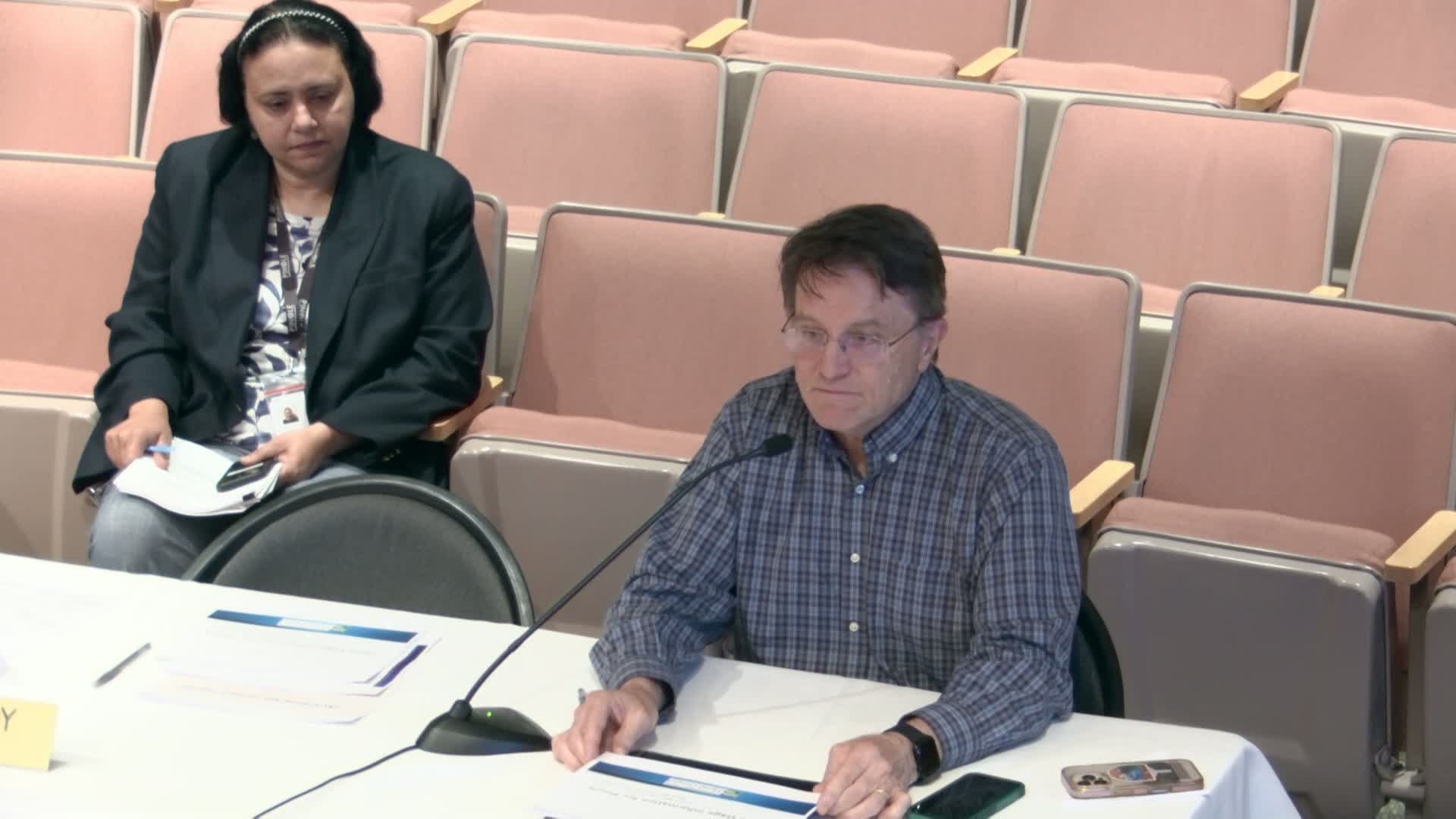
Pinole — Representatives of the Coalition for Just and Equitable California (CJEC) briefed the City Council Oct. 21 on recent state-level developments related to reparations and on recommendations from the California Reparations Task Force.
Chris Larsen of CJEC summarized recent governor actions on a set of bills connected to reparations work. Larsen said the governor signed bills that create further study and a bureau for descendants and that the coalition supported some measures while opposing others; he also summarized other bills that the governor vetoed, including some that would have created loan programs and admission preferences. Larsen emphasized the coalition’s definition of “reparations” as direct economic redress (cash, return of stolen property and related measures) and described an ongoing legislative and administrative process at the state level.
Larsen urged the council to begin local data collection so the city can identify residents who are descendants of people enslaved in the United States. He said similar categories are being advocated for at the federal level and that establishing local disaggregated data now will improve targeting of future programs and benefits. Councilmembers asked questions about implementation timelines, how a new state bureau would work, and practical next steps; Larsen offered to provide model resolution language and follow-up technical assistance.
No formal council action was taken; councilmembers asked staff about potential next steps and resources for crafting local data collection and supportive measures.